


Your cart is currently empty.
In an open-concept home, the dining table does more than host meals. It defines a zone, creates visual rhythm, and helps the kitchen, living room, and dining area feel connected without blending into one unfinished space.
Open-concept homes are beautiful because they feel spacious and connected. But that openness also creates a design challenge: without walls, each area needs furniture to create boundaries. The dining table often becomes one of the most important anchors in the entire floor plan.
A good dining table should make the dining area feel intentional without interrupting the view between the kitchen and living room. It should have enough scale to hold the space, enough beauty to be seen from every angle, and enough practicality for everyday life.
Think of the dining table as the architectural center of the open plan.
It should help the room feel organized, not crowded.
In a closed dining room, walls help define the area. In an open-concept home, the table has to do more of that work on its own. A table that is too small may look like it is floating between the kitchen and sofa. A table that is too large can interrupt the natural path through the home.
The right scale depends on the width of the dining zone, the size of the kitchen island, and the distance to the living area. A large rectangular table can create a strong visual boundary, while a round table can make a smaller open corner feel more fluid.
A larger table can help the dining area feel like its own room, even without walls.
The table should not block the path between kitchen, dining, and living areas.
If the kitchen island is long and linear, the dining table should feel balanced beside it.
Shape matters even more in an open-concept layout because people move around the dining table from multiple directions. A rectangular table creates structure and works well when the dining area sits between a kitchen and a living room. It can also echo the lines of a kitchen island, sofa, or long rug.
A round dining table creates a softer path. It works beautifully in open corners, square dining zones, or homes where the dining area needs to feel less formal and more conversational.
| Table Shape | Best For | Open-Concept Effect |
|---|---|---|
| Large rectangular table | Long dining zones, family meals, entertaining | Creates structure and defines the dining area clearly. |
| Compact rectangular table | Modern kitchens, smaller open layouts | Offers clean lines without overwhelming the room. |
| Round pedestal table | Open corners, square spaces, conversation | Softens traffic flow and makes the space feel more social. |
In an open-concept home, the dining table is visible from the kitchen, living room, and sometimes even the entryway. That means the material needs to work harder. Wood adds warmth and helps the dining area feel grounded. Sintered stone brings a cleaner, more contemporary surface that pairs well with modern cabinetry and sleek kitchen finishes.
Details also matter. A starburst wood top, sculptural pedestal, fluted base, or architectural leg shape can make the table feel intentional from across the room.
Wood dining tables help open layouts feel less cold and more connected to everyday living.
Sintered stone works well when the dining table needs to feel sleek, durable, and contemporary.
Since open-concept dining tables are seen from multiple angles, the base matters almost as much as the tabletop. Choose a table that looks finished from the side, back, and front.
A dining table should define the eating area without cutting the open plan in half. The goal is to create a sense of place while keeping the view and movement natural.
These three dining tables show different ways to define an open dining zone: a large oak table for structure, a sintered stone table for modern polish, and a round fluted table for softer flow.
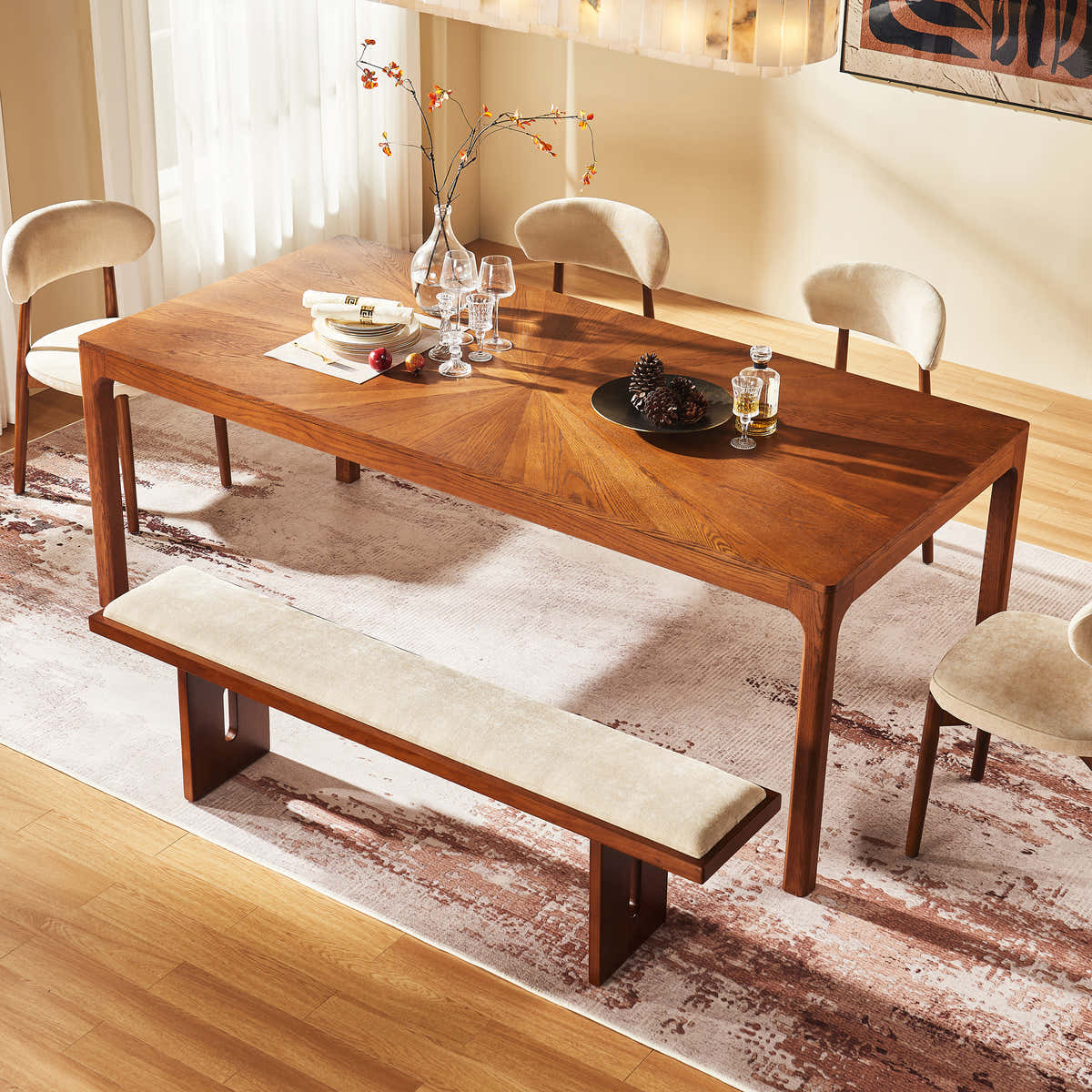
Solaris is a strong option for open-concept homes because its 84" width gives the dining area enough presence to feel anchored. The handcrafted starburst top adds visual detail, while the rectangular form creates a clear dining zone between the kitchen and living area.
This is especially useful when the dining table needs to function as both a daily family table and a hosting centerpiece.
View product →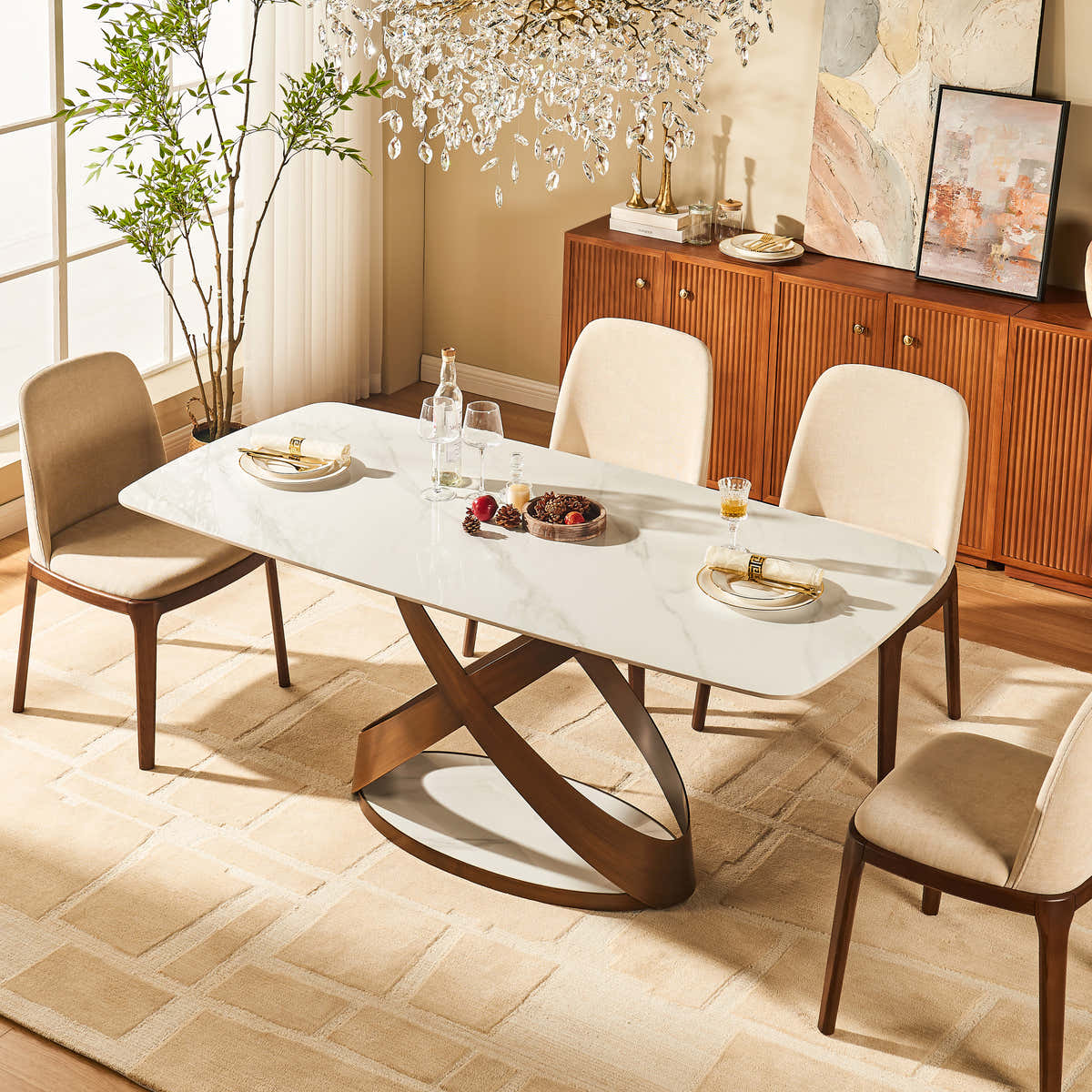
Koda works well in open layouts where the dining table is close to a modern kitchen. Its sintered stone top creates a sleek surface, while the carbon steel base gives the table a clean architectural presence.
View product →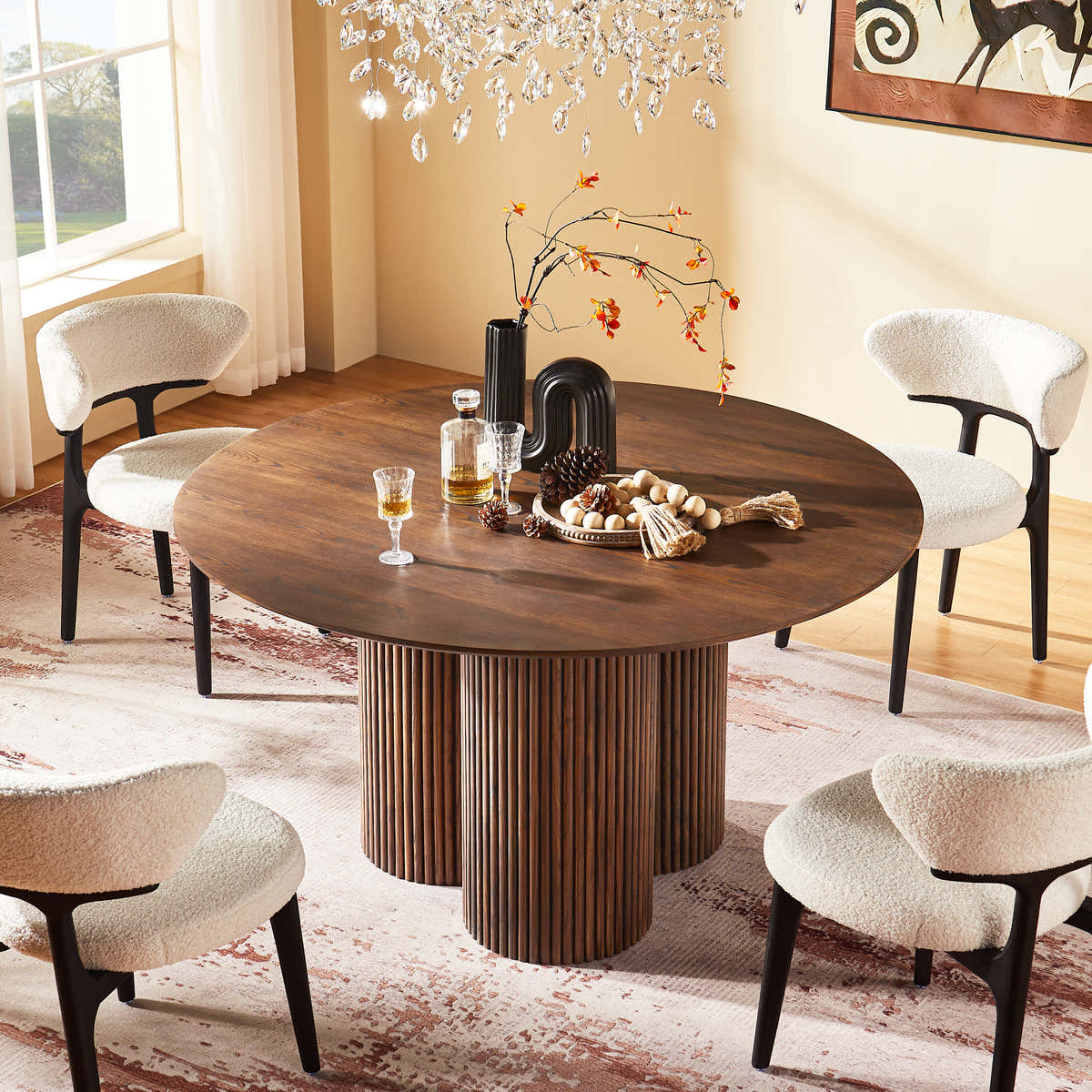
Doric is a good choice when an open-concept dining area needs a softer shape. The 54" round top helps people move around the space more easily, while the fluted base gives the table enough sculptural presence to feel intentional.
View product →Rectangular dining tables are best for defining a larger dining zone, while round dining tables work well when you want softer traffic flow and a more conversational layout.
Use a properly scaled dining table, a rug, and a chandelier or pendant light to visually define the dining area without adding walls.
Yes. Round dining tables can work well in open-concept spaces because they soften movement and reduce sharp corners, especially in smaller or square dining zones.
Wood works well when you want warmth and grounding, while sintered stone works well for a sleek, modern dining area that connects visually with contemporary kitchens.
In an open-concept home, the dining table should do more than fill space. It should define the dining zone, support movement, and connect the kitchen and living areas with a clear sense of purpose.
Whether you choose a large rectangular oak table, a sleek sintered stone design, or a round pedestal table, the best option is the one that makes the open plan feel balanced and livable.
Explore Dining Tables →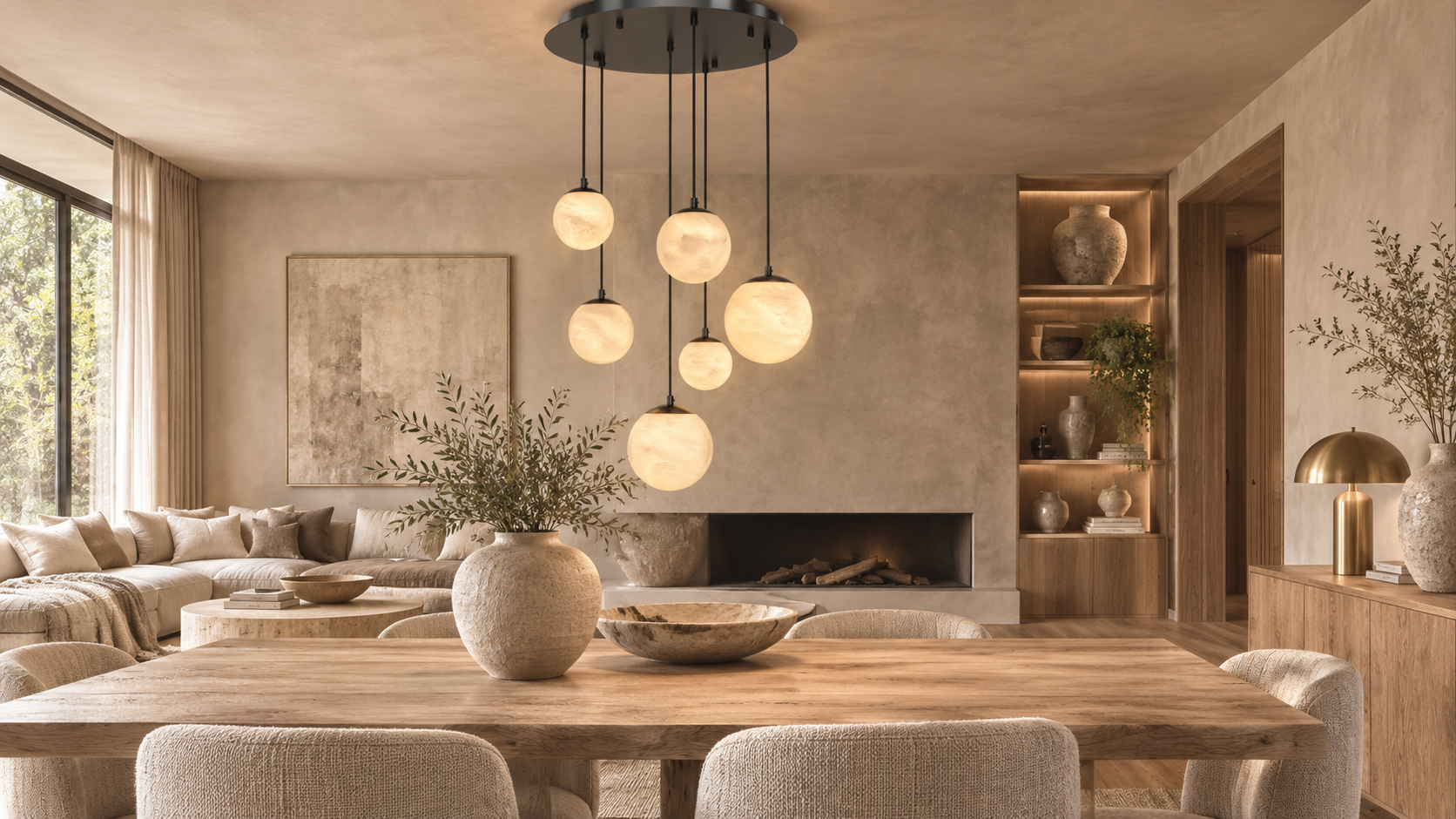
Resin vs. Alabaster Lighting: Which Material Is Right for your Home?
Read moreabout Resin vs. Alabaster Lighting: Which Material Is Right for your Home?
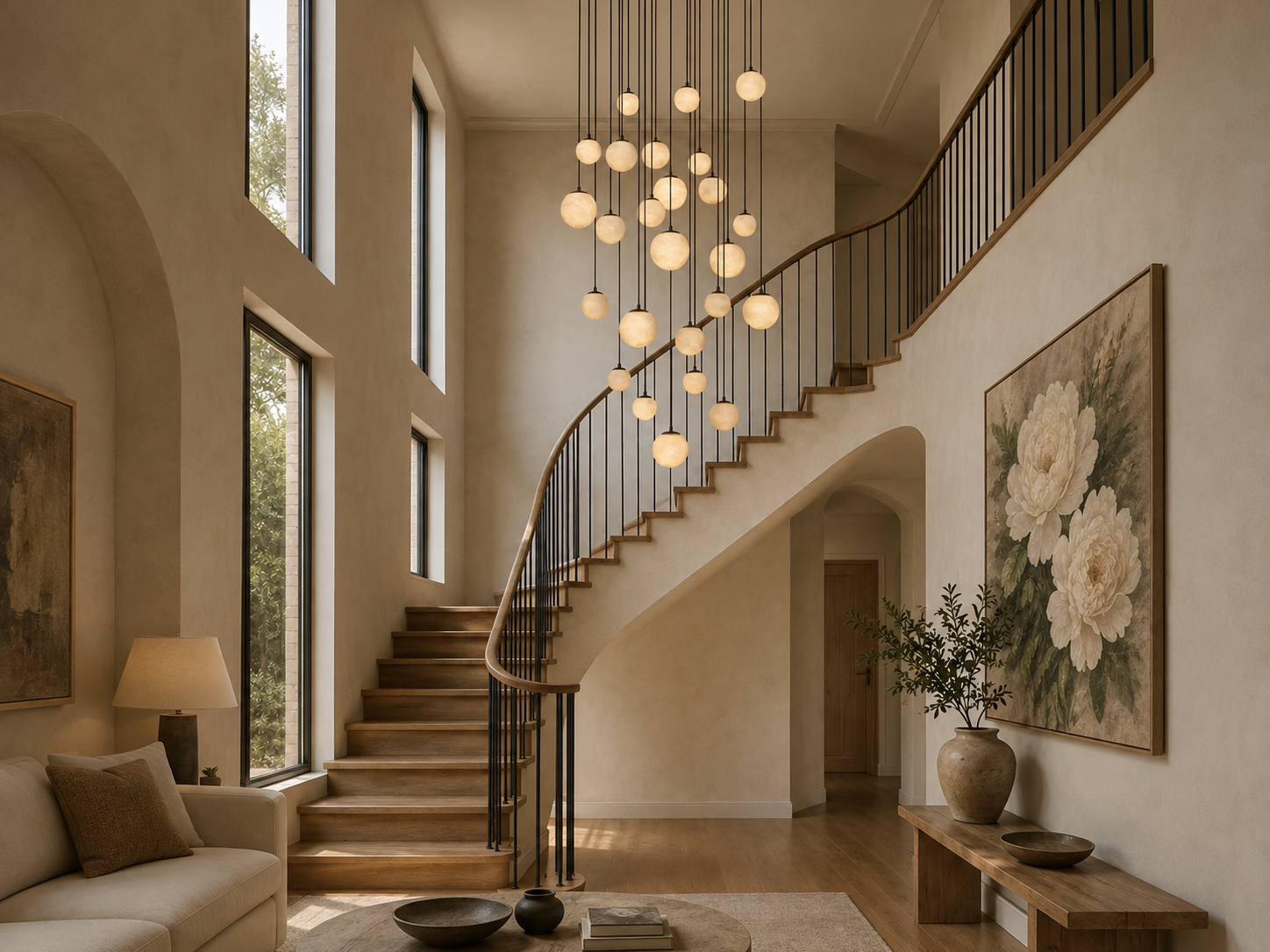
From Sconces to Statement Chandeliers: What Resin Makes Possible
Read moreabout From Sconces to Statement Chandeliers: What Resin Makes Possible
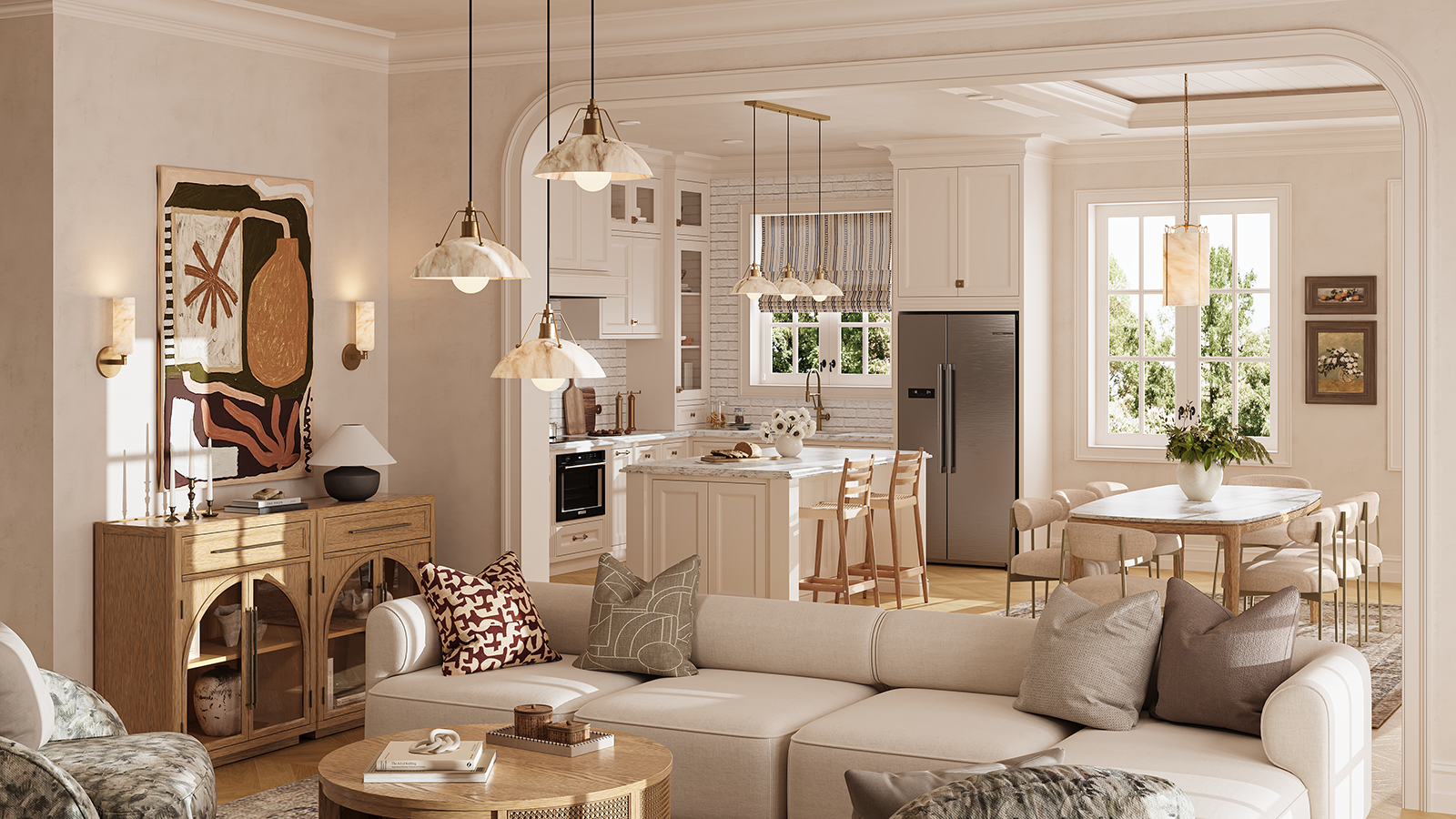
The Case for HOULTE Resin Lighting in Real Homes
Why does HOULTE resin lighting work so well in real homes? Explore its stone-inspired character, practical care, flexible forms, room-by-room applications, and the details to verify before choosing a fixture.
Read moreabout The Case for HOULTE Resin Lighting in Real Homes
Share:
How to Choose a Dining Table Material That Lasts for Years
Best Wood Console Tables for a Warm and Welcoming Entryway