


Your cart is currently empty.
If you love your dog but want to protect your furniture, you are not alone. Many pet owners struggle with the same question: how do you keep a dog off the sofa without creating stress, confusion, or a daily battle? The good news is that it is absolutely possible with the right mix of training, consistency, and smart home setup.
In this guide, we will cover why dogs love sofas, how to train them to stay off, what to do when you are not home, and how to create a pet-friendly living room that still feels elevated and beautiful.
Before you can change the behavior, it helps to understand it. Dogs are drawn to sofas for a few simple reasons:
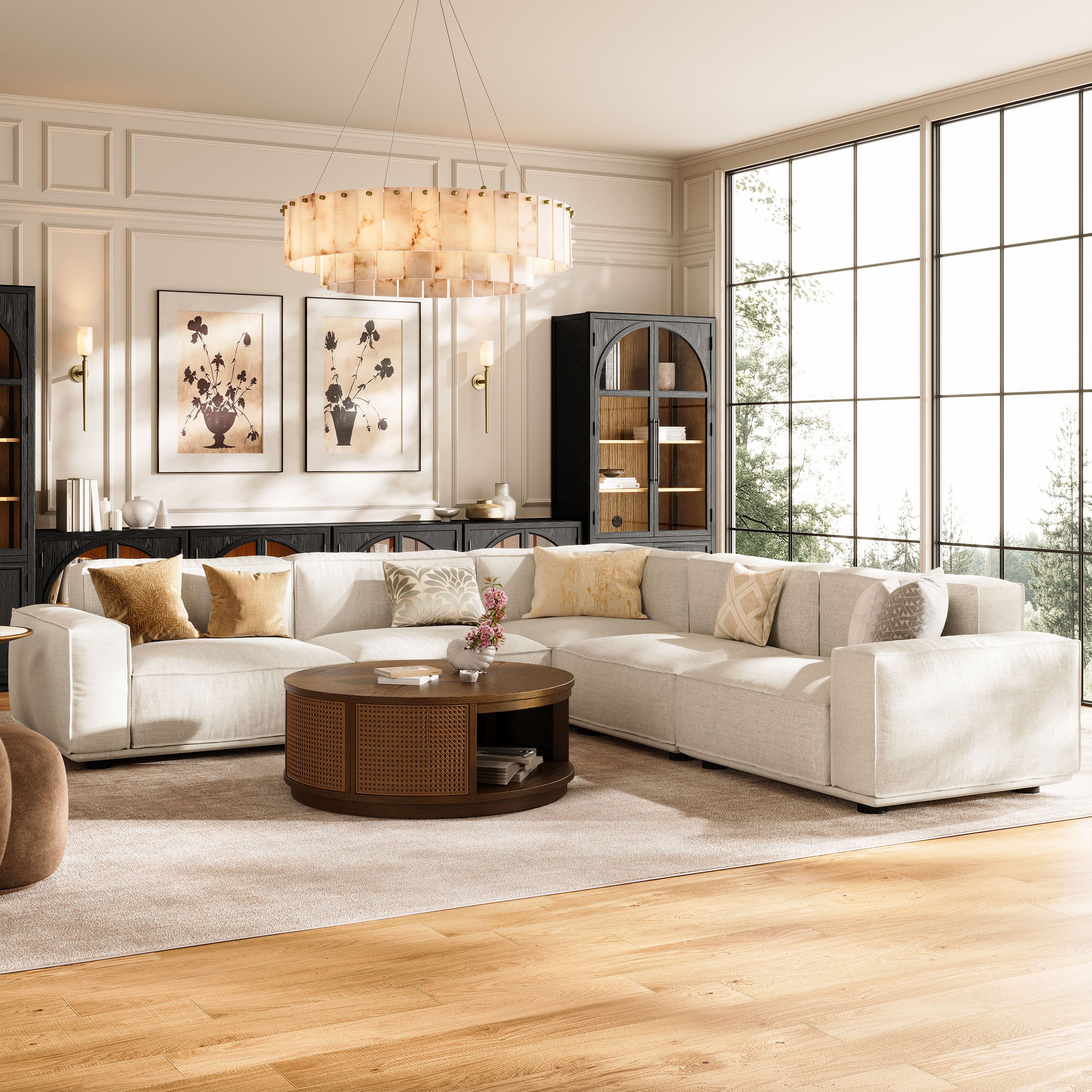
This is especially common in family rooms with deep, lounge-style seating. Pieces like the Alpine Modular Sectional Sofa or the Lyra Arched Modular Sectional Sofa (3-Seat) naturally create a cozy environment that pets find inviting too.
Yes, but success depends on consistency. If one person says “off” and another invites the dog up for cuddles, your dog will get mixed signals. Clear rules matter more than harsh correction.
The most effective approach is to:
The goal is not punishment. The goal is helping your dog understand which space belongs to them.

Before training starts, decide what the rule actually is. Is your dog never allowed on the sofa? Only with permission? Only on a blanket? The clearer the rule, the easier it is to teach.
If you prefer a fully furniture-free habit, be consistent from the start. If you sometimes allow access, use a cue like “up” for permission and “off” when it is time to get down.
If your dog is already on the sofa, avoid yelling or physically dragging them off. Instead, use a calm voice and lure them down with a treat if needed. The moment all four paws touch the floor, reward them.
Repeat with a simple cue such as “off”. Over time, your dog begins to connect the word with the action.
Keep sessions short and positive. The idea is to make getting off the sofa feel like a win.
One of the biggest training mistakes is telling a dog what not to do without showing them what to do instead. Give your dog a bed, mat, or designated lounge spot nearby. Then reward them whenever they choose it.
If your living room centers around a statement sofa like the Kylix 5-Piece L-Shaped Sectional Sofa, place your dog’s bed where they can still feel included in the room. Dogs are more likely to stay off the sofa if they still feel close to the family.
Your dog’s bed should compete with the sofa. That means it should be:
You can also add a familiar blanket or an item with your scent to help make the new resting spot more attractive.
Training works best when your dog understands that good choices bring rewards. Praise, treats, toys, and calm attention all help reinforce the behavior you want.
Avoid methods that create anxiety, such as shouting, startling, or physically pushing your dog off furniture. Fear may stop the behavior briefly, but it often creates confusion and can damage trust.
Many dogs behave differently when left alone. Even if your dog listens while you are home, they may jump on the sofa once the house is quiet. This usually comes down to access, habit, boredom, or separation-related stress.
The easiest solution is often the simplest: close the door or use a pet gate. If your dog cannot reach the sofa, the habit cannot continue.
Set up a dedicated dog area with a bed, water, and a safe chew or enrichment toy. A comfortable alternative can reduce the urge to seek out the sofa.
A tired dog is less likely to spend the day looking for mischief. Walks, sniff games, food puzzles, training drills, and short play sessions can all help reduce sofa-seeking behavior.
If needed, place lightweight barriers on the cushions while you are away. Some owners use folded chairs, large pillows, or pet-safe furniture blockers to make the surface less inviting.
This can be especially useful on spacious pieces like the Alpine Modular Sectional Sofa (3-Seat), where broad seat depth may tempt dogs to curl up for long naps.
If you are in the middle of training, yes. A sofa cover can protect against fur, scratches, dirt, and accidents while your dog learns the new rules. It also helps preserve the look of lighter upholstery tones, especially in homes with active pets.
That said, covers should support training, not replace it. If your dog becomes used to lounging on a covered sofa every day, they may still see the furniture as their spot.
If you want a living room that feels refined while staying practical, start with a well-designed sofa silhouette and pair it with removable protective layers during the training phase. Curved statement styles like the Lyra Arched Modular Sectional Sofa (2-Seat) can still feel polished and inviting while you build a more pet-conscious routine.
Keeping your dog off the sofa becomes easier when your living room is designed with both comfort and boundaries in mind. A few smart adjustments can make a big difference:
If you are furnishing a family room from scratch, a modular design can also make maintenance easier. Pieces from the Elara 3-Piece Electric Recliner Sofa and other large-format seating options in the Houlte sofa collection work especially well in spaces where comfort, zoning, and traffic flow all matter.
In 2026, pet-friendly living is becoming more design-forward and more tech-supported. If you want extra help reinforcing boundaries, modern tools can make the process easier.
If your dog jumps on the sofa when left alone, a pet camera can help you monitor patterns and interrupt the behavior in real time. Some owners find this useful during the early training phase.
Simple room sensors or indoor cameras can notify you when your dog repeatedly approaches restricted furniture. This is especially helpful if sofa access is tied to boredom at specific times of day.
Modern pet throws and furniture layers now come in more elevated textures and neutral palettes, making them much easier to integrate into a beautiful living room.
Modular and sectional sofas make it easier to define pathways, pet zones, and family seating areas. If flexibility matters in your home, consider a spacious sectional like the Alpine Modular Sectional Sofa (2-Seat) or a sculptural option like the Lyra Arched Modular Sectional Sofa (Corner Unit) when planning a room that balances style with everyday life.
Learning how to keep your dog off the sofa is really about building a better routine. With clear rules, positive reinforcement, a comfortable alternative, and a little patience, most dogs can learn exactly where they are supposed to relax.
If you are also rethinking your living room setup, choosing the right sofa can make daily life easier. Explore the full Houlte sofa collection for elevated designs that bring together comfort, flexibility, and modern style.
Teach a clear “off” cue, reward your dog for using their own bed, and stay consistent. The key is giving your dog a more appealing alternative rather than only correcting the behavior.
This can happen because of boredom, habit, comfort-seeking, or mild separation stress. Limiting access, increasing enrichment, and creating a cozy rest area can help.
Yes, but only if you are comfortable with that boundary and can keep it consistent. If access is allowed sometimes, use a permission cue like “up” so your dog understands when it is invited behavior.
A supportive dog bed placed near the family is usually the best alternative. Make it soft, accessible, and rewarding so your dog naturally prefers it.
Couch covers help protect your sofa during training, but they do not teach the rule by themselves. They work best when combined with training and environmental management.
Some dogs improve in a few days, while others need several weeks of repetition. The timeline depends on your dog’s age, history, consistency, and how rewarding the alternative resting spot is.
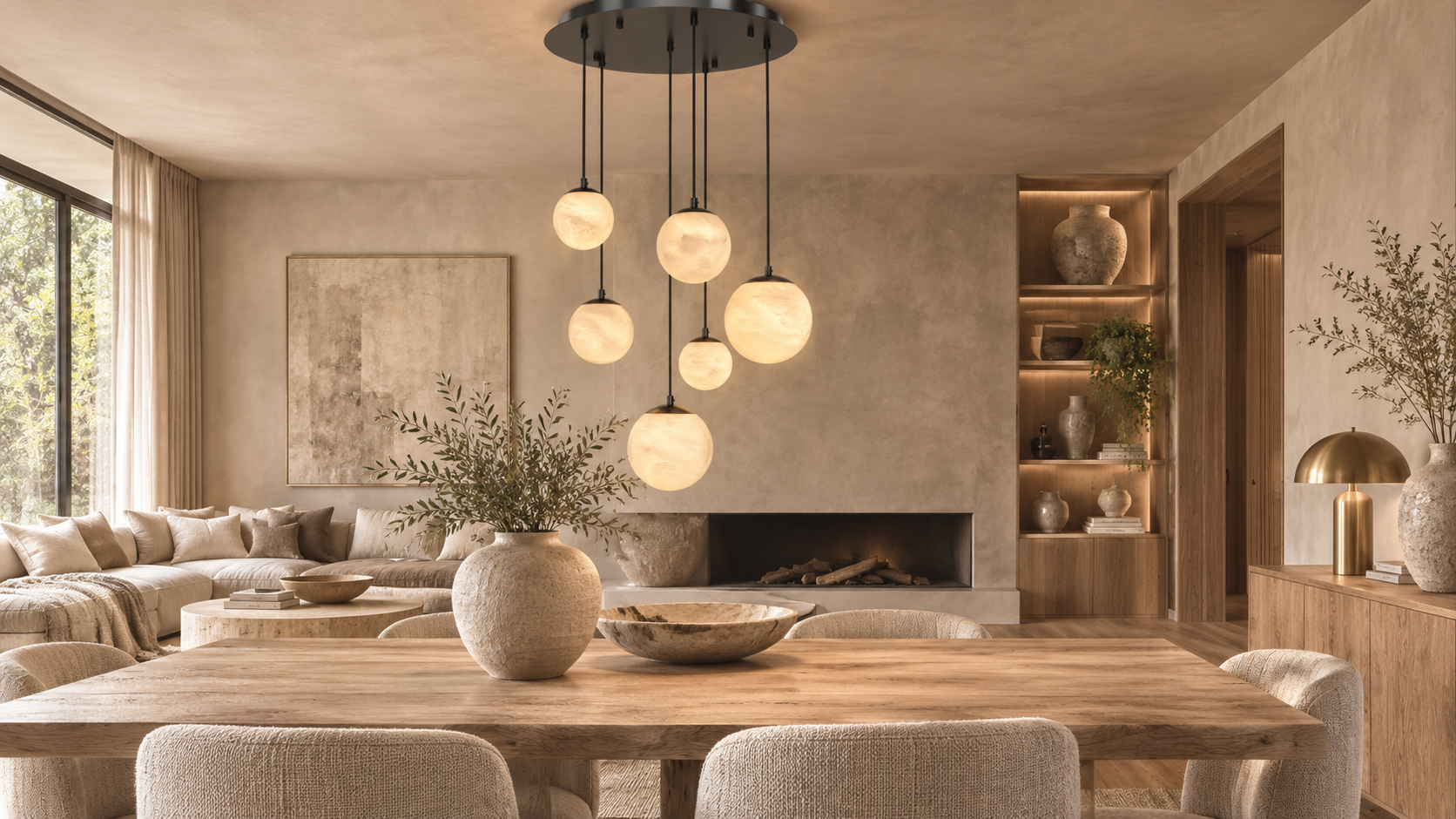
Resin vs. Alabaster Lighting: Which Material Is Right for your Home?
Read moreabout Resin vs. Alabaster Lighting: Which Material Is Right for your Home?
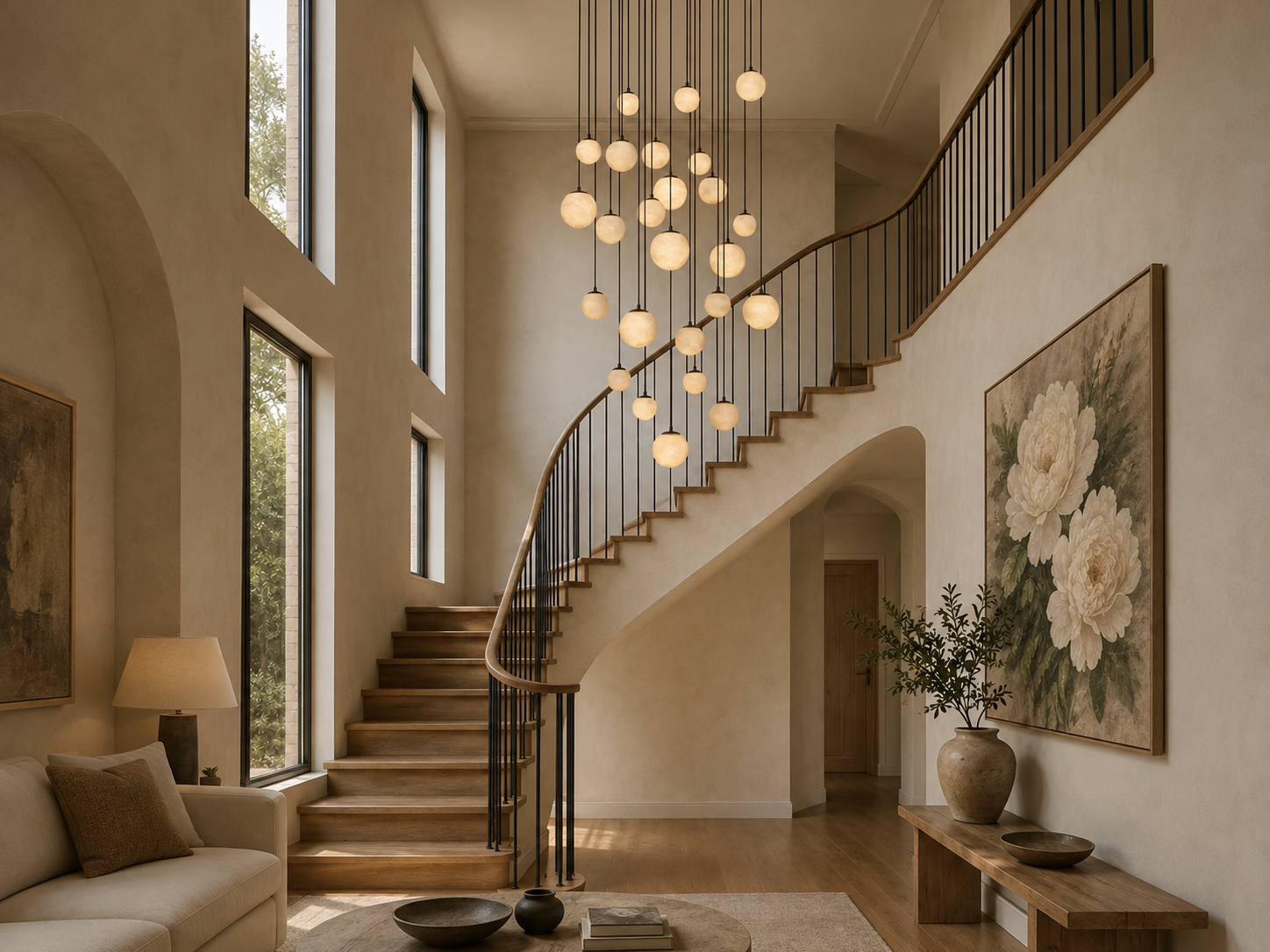
From Sconces to Statement Chandeliers: What Resin Makes Possible
Read moreabout From Sconces to Statement Chandeliers: What Resin Makes Possible
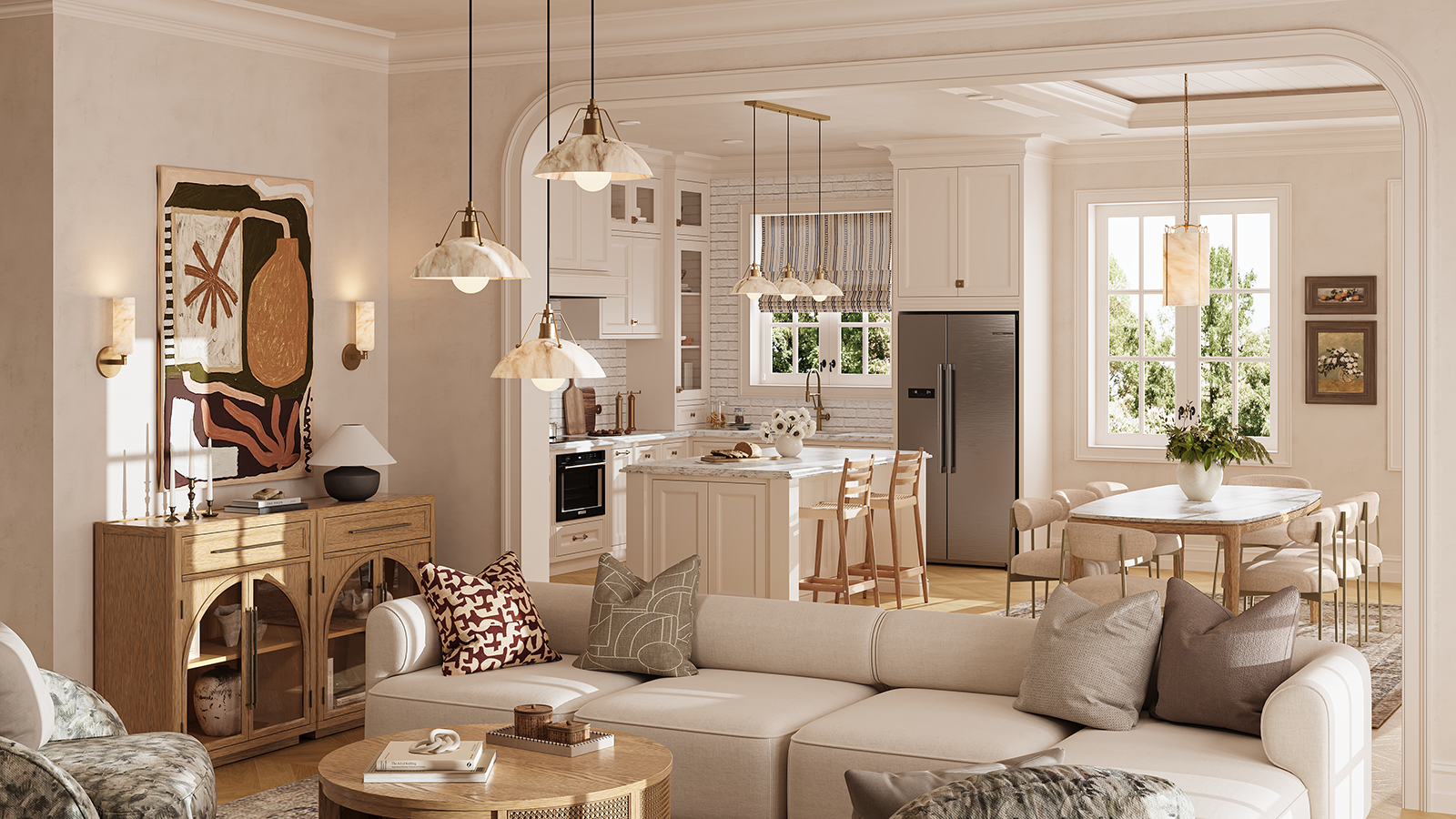
The Case for HOULTE Resin Lighting in Real Homes
Why does HOULTE resin lighting work so well in real homes? Explore its stone-inspired character, practical care, flexible forms, room-by-room applications, and the details to verify before choosing a fixture.
Read moreabout The Case for HOULTE Resin Lighting in Real Homes
Share:
Understanding Sectional Sofas: A Comprehensive Guide for Modern Living
Understanding Modular Sofas: A Comprehensive Guide for Flexible Modern Living