


Your cart is currently empty.
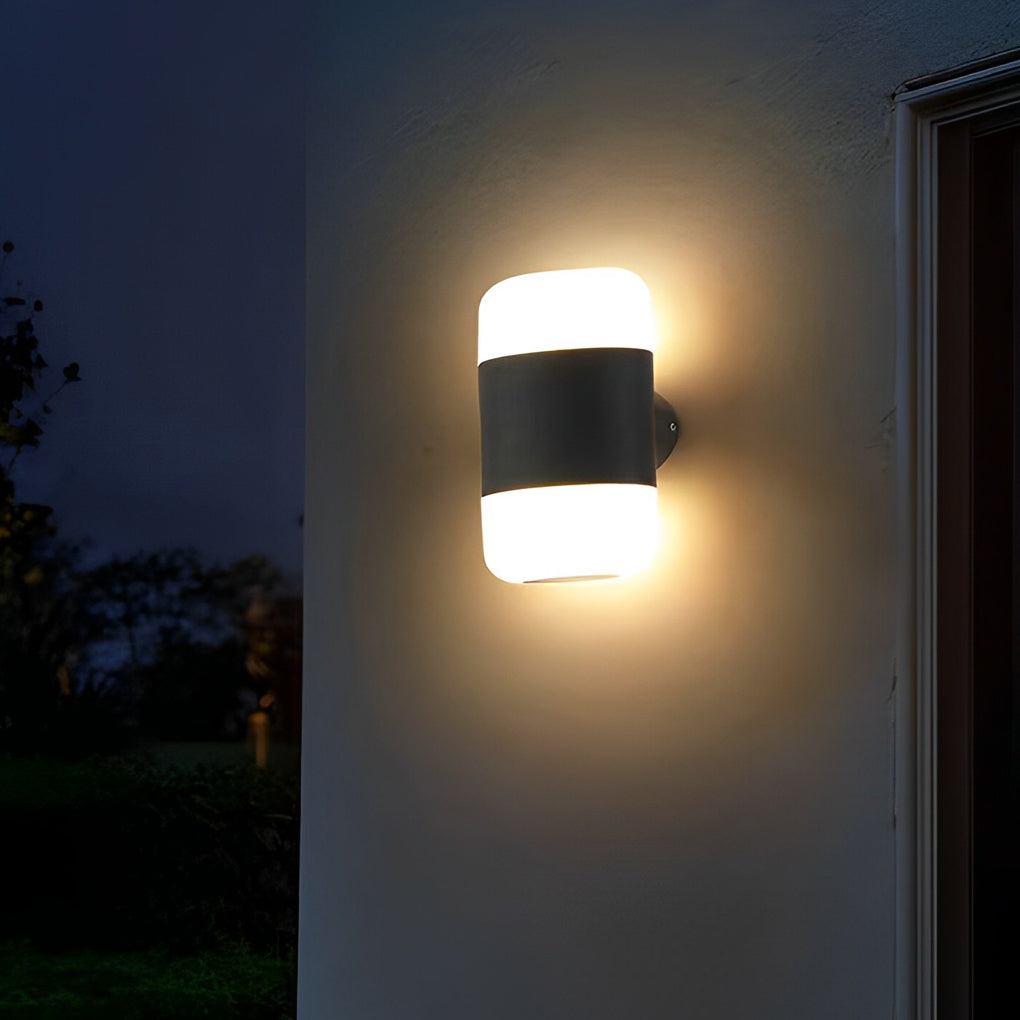
Yes — you often can use outdoor lights indoors, but that does not mean every outdoor fixture is automatically a good indoor choice.
From our perspective, the safest and most useful way to think about it is this:
In other words, the answer is not just “yes” or “no.”
It is “yes, if the fixture is properly rated and appropriate for the room.”
If you’re browsing options, Houlte’s Outdoor Light collection is a relevant starting point for wall-mounted fixtures designed with durability and modern styling in mind.
The biggest difference is not style. It is environmental protection.
Indoor lighting is typically designed for controlled spaces where fixtures are not exposed to rain, direct moisture, temperature swings, or prolonged humidity. Outdoor lighting is built to handle tougher conditions, often with more weather-resistant materials, seals, finishes, and protective construction.
Outdoor fixtures often differ from indoor fixtures in these ways:
Some outdoor fixtures are also built with:
Those features can be useful outdoors, but indoors they may be unnecessary, visually bulky, or inconvenient depending on the application.
This is where the real answer lives.
Lighting fixtures are commonly marked for dry, damp, or wet locations. Guidance widely used across the industry explains these categories roughly as follows:
Lighting fixtures designed for humid or rainy environments can generally also be used in less demanding environments, but the reverse is not true. In other words, moisture-proof lighting fixtures may be suitable for indoor use, but moisture-proof indoor lighting fixtures should not be used outdoors or in humid environments.
If we were evaluating an outdoor fixture for indoor use, these are the first checks we would make.
Start with power compatibility.
Most residential hardwired lighting in the U.S. is compatible with standard household voltage, but you should always confirm the fixture specifications before installation. Some outdoor lights are low-voltage, some are hardwired line-voltage, and some are solar-powered.
From Houlte’s outdoor product listings, some fixtures are described as 110V, 110–220V, hardwired, or solar, depending on the model.
That matters because:
Outdoor lights are often designed to project light effectively in open air, on exterior walls, pathways, patios, or entry points. Indoors, that same output can sometimes feel too intense, too directional, or simply out of scale.
Things we would check:
Heat is also worth thinking about, especially with enclosed fixtures or older bulb types. Many newer outdoor fixtures use LED technology, which is generally more efficient and cooler-running than traditional incandescent sources, but fixture construction still matters.
The key question is not whether a fixture says “outdoor.”
The key question is whether it is properly listed/labeled for the intended environment.
If a light is marked for wet or damp locations, that generally indicates it has been evaluated for more demanding moisture exposure than ordinary indoor dry spaces. That usually means it is acceptable from an environmental standpoint for indoor use too, assuming installation instructions are followed.
What we would not do is assume “weatherproof-looking” equals properly rated. Always rely on the actual product specifications and listing information.
Outdoors, fixtures face heat, cold, rain, and seasonal swings. Indoors, temperature is usually less severe, so outdoor lights are often more robust than necessary.
That sounds like a benefit — and sometimes it is. But it can also come with tradeoffs:
So while temperature resistance is not usually a problem indoors, proportion and finish absolutely can be.
There are real advantages to doing this when the fixture suits the space.
One of the clearest benefits of outdoor lighting is resilience. Exterior-rated fixtures are often designed with durable metals, protective coatings, and moisture resistance that can perform especially well in demanding indoor spaces such as:
If you want something that can tolerate humidity, frequent cleaning, or heavier wear, an outdoor-rated fixture can be a smart choice.
Outdoor lighting often brings a different design language indoors:
That can be very appealing in interiors where you want something less delicate and more graphic.
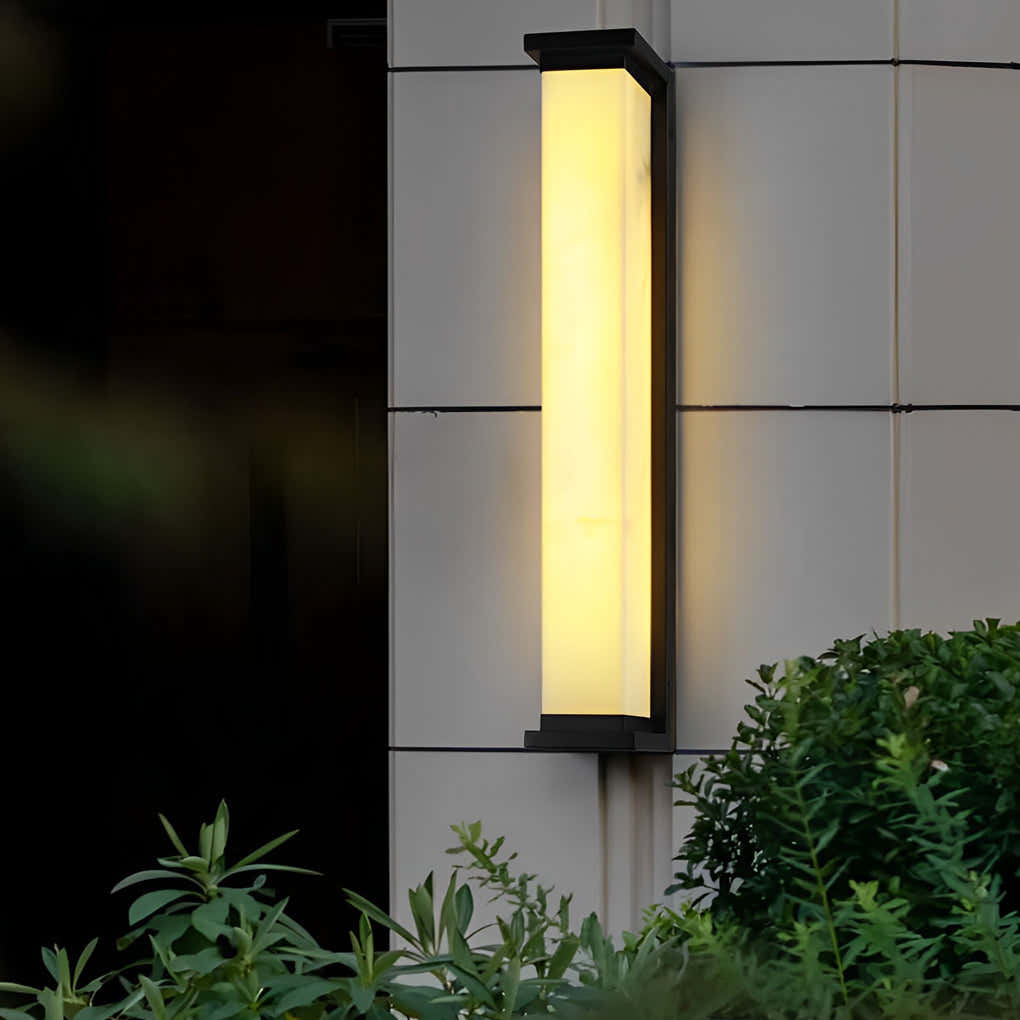
For example, a modern linear exterior wall light can look striking in:
From Houlte’s collection, fixtures such as the Aluminyx Modern Linear Outdoor Wall Light or Monsoonglow Linear LED Outdoor Wall Light reflect that more architectural, minimal direction.
When we evaluate this kind of crossover use, we focus on four things.
The fixture may be technically acceptable indoors, but that does not automatically make it aesthetically right.
Ask:
A matte black outdoor sconce may look excellent in a minimalist hallway, but feel too stark in a soft traditional bedroom.
A light designed to wash an exterior wall may not provide ideal ambient or task lighting indoors. Before choosing it, think about what the fixture needs to do.
Is it meant to:
Indoors, lighting quality matters as much as ruggedness.
Many outdoor lights now use LED systems, and that is generally beneficial indoors too. Efficient LED fixtures can reduce energy use, lower maintenance, and produce less heat than older technologies.
If the fixture includes integrated LED, check:
This is one of the most common mistakes.
Outdoor fixtures are often visually larger than indoor sconces because they need stronger presence on exterior walls. Indoors, that same fixture can overwhelm a hallway or make a bathroom feel crowded.
We always recommend checking:
Outdoor lights can work indoors, but there are still reasons to pause before choosing them.
Sometimes, yes.
Exterior lights are often intended for visibility and coverage, not intimacy. Indoors, they may feel:
This is especially relevant in bedrooms, living rooms, or dining areas where softer, layered light is usually more comfortable.
We generally do not recommend casual modification.
If a fixture needs rewiring, bulb substitutions beyond spec, bypassing sensors, or structural alterations to “make it work indoors,” that is usually a sign you should choose a different fixture or consult a licensed electrician.
Better practice:
Modifying listed fixtures can undermine safety and may affect code compliance or warranty protection.
This is one of the most common crossover uses, especially with string lights, decorative lanterns, and temporary accent fixtures.
Outdoor-rated decorative lights can be useful indoors during holidays or seasonal styling because they are often durable, flexible, and easy to install temporarily.
People commonly use them for:
That said, the same common-sense rules apply: avoid overloading circuits, use fixtures and cords as intended, and keep anything heat-generating clear of fabric, paper, and dry greenery.
If you use outdoor decorative lighting indoors, we would keep to these basics:
Even though outdoor lights can sometimes be used indoors, there are plenty of times when we would still choose a proper indoor fixture instead.
We would usually stick with indoor lighting when:
In short: use outdoor lights indoors when their rating, scale, function, and style genuinely suit the room.
Do not use them indoors merely because they are available.
Outdoor lights may be powered in several ways, including:
Houlte’s outdoor listings show examples of hardwired, 110V, 110–220V, and solar-powered outdoor wall lights depending on model.
Often yes, but you must verify the fixture specifications. Many residential hardwired outdoor fixtures are compatible with standard indoor residential voltage, while low-voltage or solar-specific products may not be suitable without the correct setup.
Potentially, yes — especially if the fixture is suitable for damp or wet locations and appropriate for the bathroom zone where it will be installed. Bathrooms vary: some areas are simply humid, while others may be exposed to direct spray. Local code and fixture listing matter here.
Look for the appropriate location rating for the actual environment:
If you want one fixture family that can bridge indoor and outdoor use, damp- or wet-location suitability is generally the more flexible route.
Smart lighting is making the indoor/outdoor divide more flexible by allowing:
That means a more rugged outdoor-style fixture can sometimes become more livable indoors if the light output and timing can be controlled intelligently. The key is still proper listing and installation.
If we had to condense everything into one practical answer, it would be this:
Yes, you can often use outdoor lights indoors — but only when the fixture is properly rated, electrically compatible, and genuinely suited to the room.
The fact that a light is built for the outdoors does not make it unsafe indoors. In many cases, it makes it more durable than necessary. But durability alone is not enough. You still need the right scale, brightness, mounting type, and listing for the space.
If you want to explore exterior-rated options with a more design-forward look, browse the Houlte Outdoor Light collection.
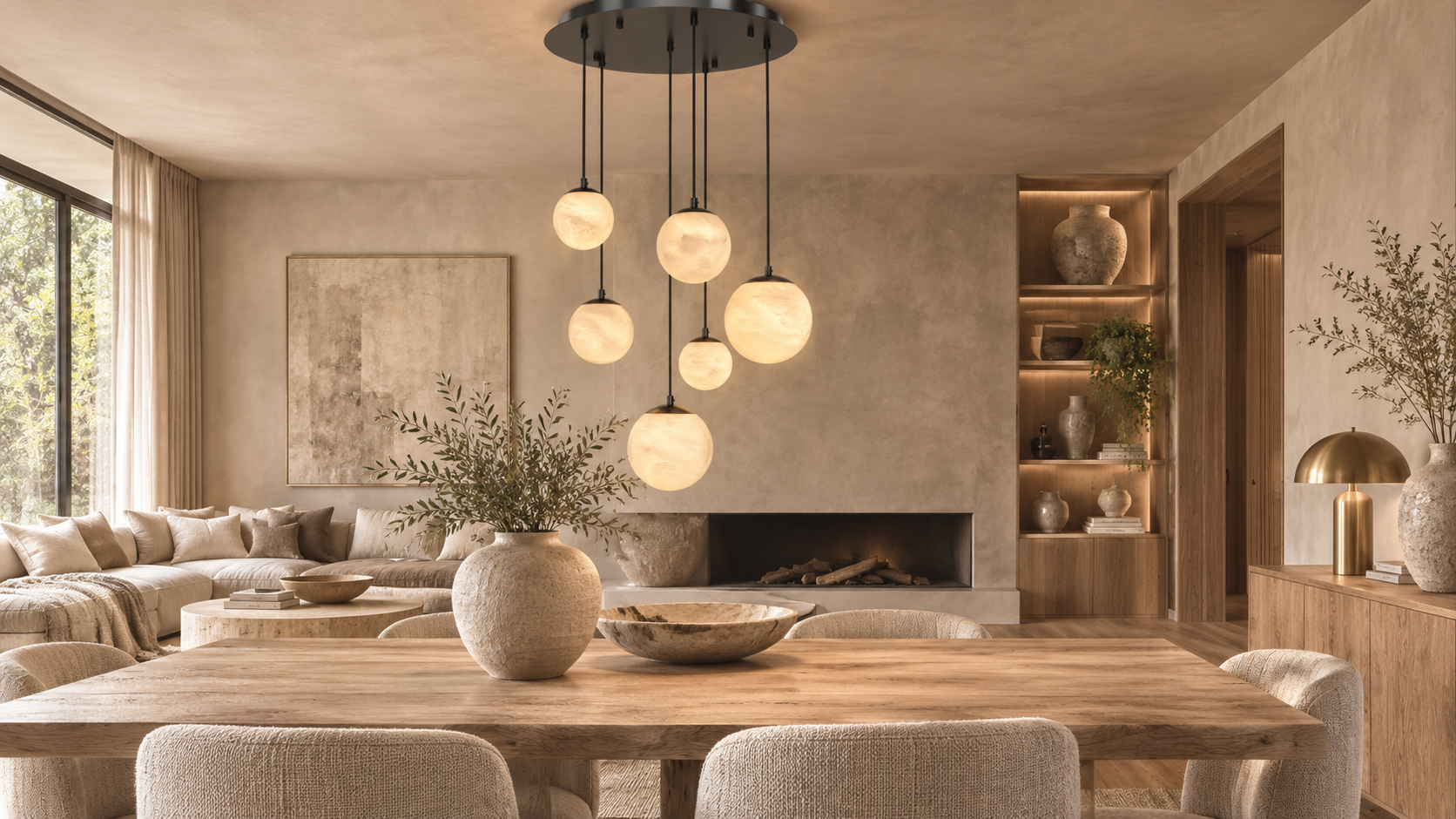
Resin vs. Alabaster Lighting: Which Material Is Right for your Home?
Read moreabout Resin vs. Alabaster Lighting: Which Material Is Right for your Home?
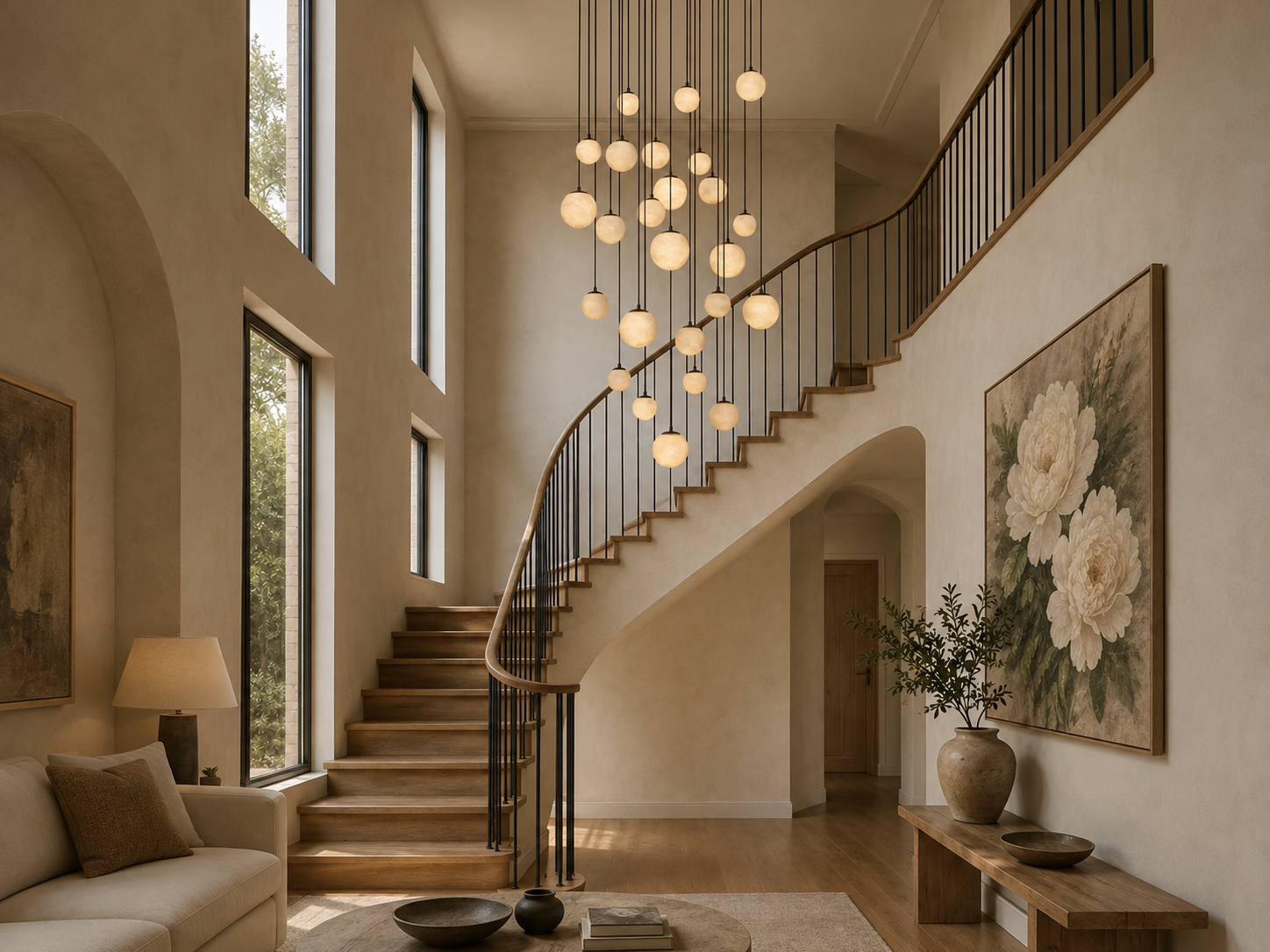
From Sconces to Statement Chandeliers: What Resin Makes Possible
Read moreabout From Sconces to Statement Chandeliers: What Resin Makes Possible
The Case for HOULTE Resin Lighting in Real Homes
Why does HOULTE resin lighting work so well in real homes? Explore its stone-inspired character, practical care, flexible forms, room-by-room applications, and the details to verify before choosing a fixture.
Read moreabout The Case for HOULTE Resin Lighting in Real Homes
Share:
How Much Does a Sofa Weigh? Comprehensive Guide for 2026
Do Nightstands Have to Match? Exploring Your Options