


Your cart is currently empty.
Choosing the right sofa starts with one simple question: how big is a standard sofa? While there’s no single universal size, most sofas fall within a fairly predictable range. Understanding those dimensions can help you choose a piece that fits your room, your lifestyle, and your comfort preferences—without creating delivery problems or crowding your layout.
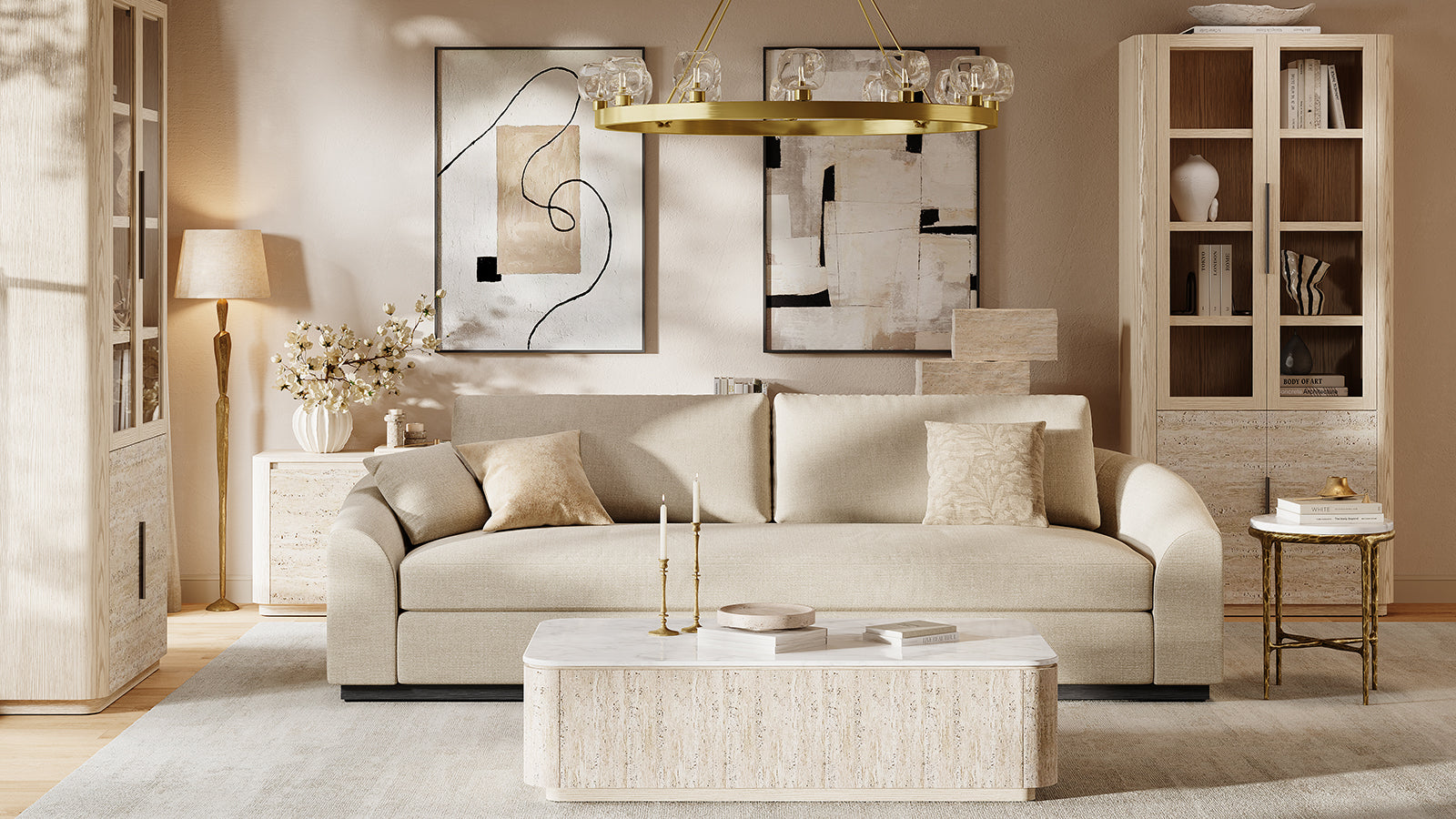
In general, standard sofas are measured by width, depth, and height, but the best size for your home also depends on seat depth, arm style, room scale, and how the sofa will be used. For reference, like the Houlte Muse Waterfall Sofa (2-Seat) measures 88" W × 40" D × 37.4" H, showing how even a two-seat sofa can feel generously sized depending on its proportions.

A standard sofa typically measures:
A very common three-seat sofa lands around:
These are not strict rules, but they are a reliable baseline for planning.
Width usually determines how many people can sit comfortably, while depth and height affect both comfort and how large the sofa feels visually in the room.
A standard loveseat or compact 2-seater is usually:
Some modern 2-seaters run larger than expected, especially if they have:
That’s why a “2-seater” doesn’t always mean “small.” The seat count and physical footprint are not always the same thing.
A standard 3-seater sofa usually falls between:
The most popular sizes today are often in the 80 to 90 inch width range, which gives enough seating for three adults while still fitting comfortably in many living rooms.
If you want a sofa that feels balanced in a medium-size room, this category is often the safest place to start.
A sofa may fit your room on paper but still feel too large once it’s inside. That’s why measuring the room correctly matters just as much as understanding standard sofa dimensions.
Start with these room measurements:
A practical layout tip is to use painter’s tape on the floor to outline the sofa footprint before buying. This helps you visualize how much space it really takes up and whether the room will still feel comfortable to move through.
You should also think beyond the sofa itself:
Before ordering, measure the entire delivery path:
For tighter entries, diagonal clearance matters too. A sofa may fit when turned at an angle even if its straight width seems too wide.
A good habit is to compare both:
Delivery fit is one of the most overlooked parts of sofa shopping.
Width gets the most attention, but depth and height often matter more for comfort.
Typical sofa seat depth is about:
Seat height commonly ranges from:
Choose based on how you like to sit:
Overall sofa depth usually ranges from 30 to 40 inches, but deeper modern silhouettes may go beyond that.
A deeper sofa can feel:
But it can also:
In recent years, deep-seat comfort has become more popular, especially in casual living rooms and family spaces.
The right sofa size depends on the scale of the room—not just standard dimensions.
For smaller spaces, look for sofas that are:
A loveseat, apartment sofa, or slim 3-seater usually works best. In compact rooms, oversized arms can waste valuable space, so a cleaner silhouette often makes the room feel bigger.
Good priorities for small rooms:
Medium living rooms are the sweet spot for standard sofas. This is where classic 3-seaters and many compact sectionals work best.
A sofa around 80 to 90 inches wide is often ideal for this kind of space because it feels substantial without overpowering the room.
If the room is multipurpose, think about how the sofa interacts with:
In larger homes, standard sofas may feel too small unless paired with additional seating. Open-plan spaces often benefit from:
Larger rooms can handle deeper profiles and more sculptural forms, especially when the sofa is meant to help define the living zone.
Not all sofas fit the standard fixed-frame format. Sectionals and sleepers follow different size patterns.
Sectional sofas vary widely, but common overall sizes include:
Some compact sectionals are apartment-friendly, while large modular sectionals are designed to anchor open-plan living rooms.
Sectionals are ideal if you want:
Sleeper sofas are often similar in width to standard sofas, but usually:
Common sleeper sizes include:
When planning for a sleeper, you need to measure both:
This is critical in guest rooms, offices, and multifunctional living spaces.
The size of the sofa affects more than floor space—it also shapes how the whole room feels.
A common guideline is to keep the coffee table about:
This gives enough room to move comfortably while keeping the table easy to reach.
For proportion:
Arm design influences both comfort and size efficiency.
Common arm styles include:
Slim arms help maximize seating in smaller spaces. Wider padded arms can feel more luxurious, but they also increase total width without increasing seat room.
Arm height matters too:
If you read, nap, or spend long evenings on the sofa, arm shape makes a noticeable difference.
A 7-foot couch is 84 inches wide, which is generally considered a standard-to-large size. It works well in many medium living rooms and is one of the most popular sofa widths today.
The most popular sofas today are often:
These sizes balance comfort, visual presence, and room flexibility.
For a small living room, focus on:
It also helps to tape the footprint on the floor before buying so you can test the layout in real space.
Current design trends influencing sofa sizes include:
In other words, sofas are becoming more adaptable rather than simply bigger.
A good rule is to leave 16 to 18 inches between the sofa and the coffee table. This keeps the table accessible without making the room feel cramped.
So, how big is a standard sofa?
For most homes, a standard sofa is usually 72 to 96 inches wide, 30 to 40 inches deep, and 30 to 36 inches high. But the right sofa size depends on more than averages. You also need to think about seat depth, room scale, delivery clearance, and how the sofa will actually be used.
The best sofa is not just one that fits the room—it’s one that fits the way you live in it.
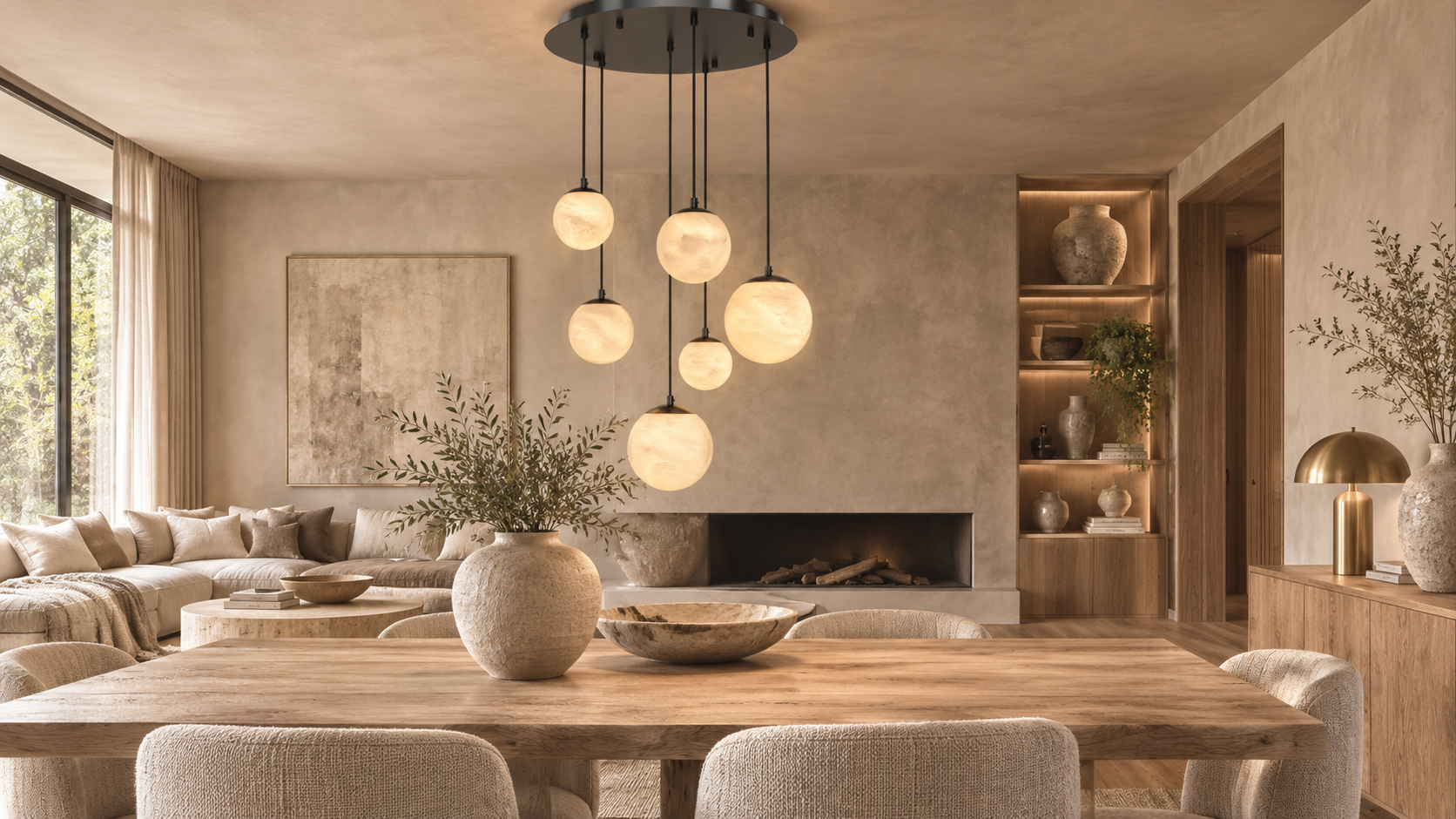
Resin vs. Alabaster Lighting: Which Material Is Right for your Home?
Read moreabout Resin vs. Alabaster Lighting: Which Material Is Right for your Home?
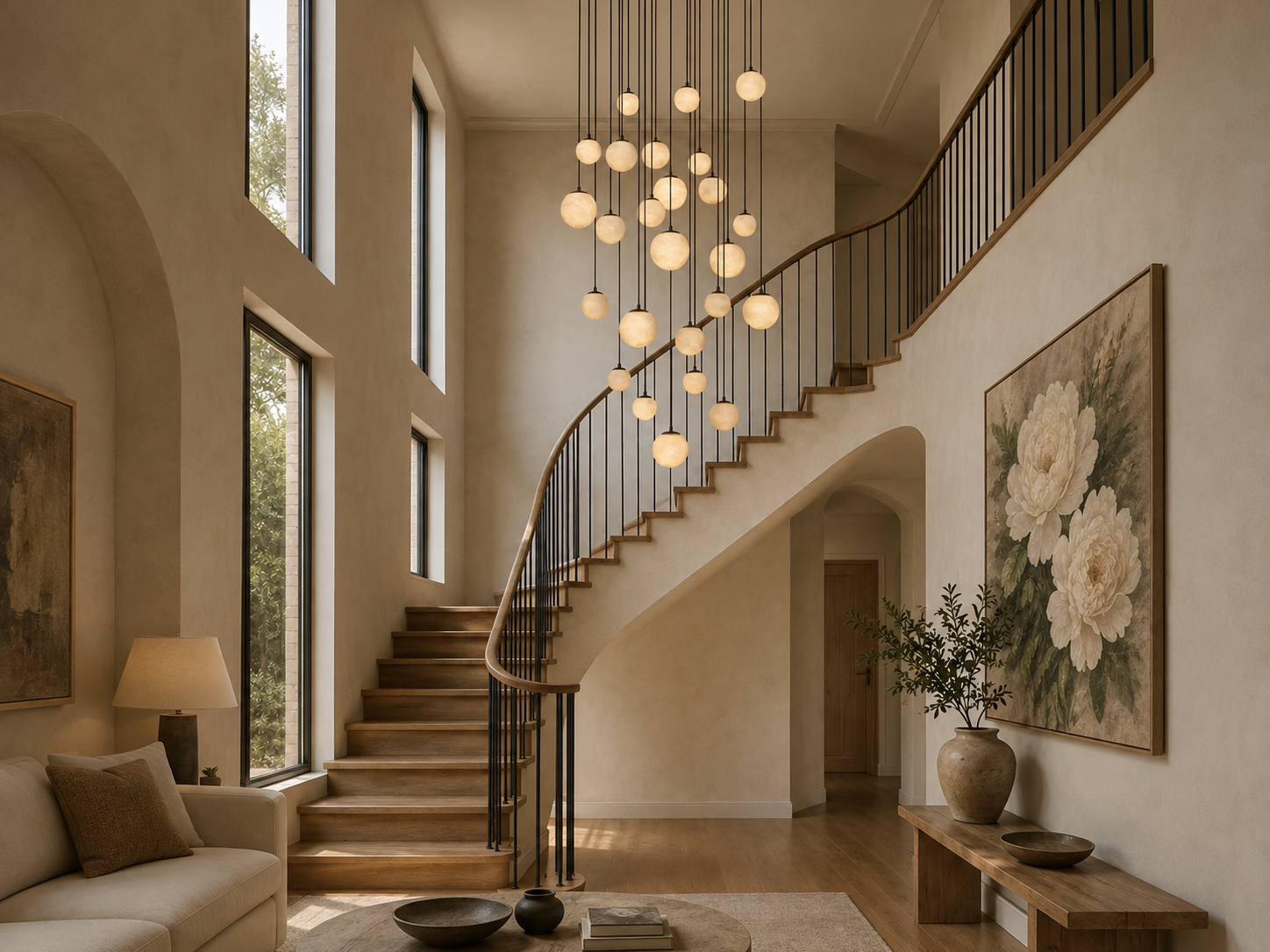
From Sconces to Statement Chandeliers: What Resin Makes Possible
Read moreabout From Sconces to Statement Chandeliers: What Resin Makes Possible
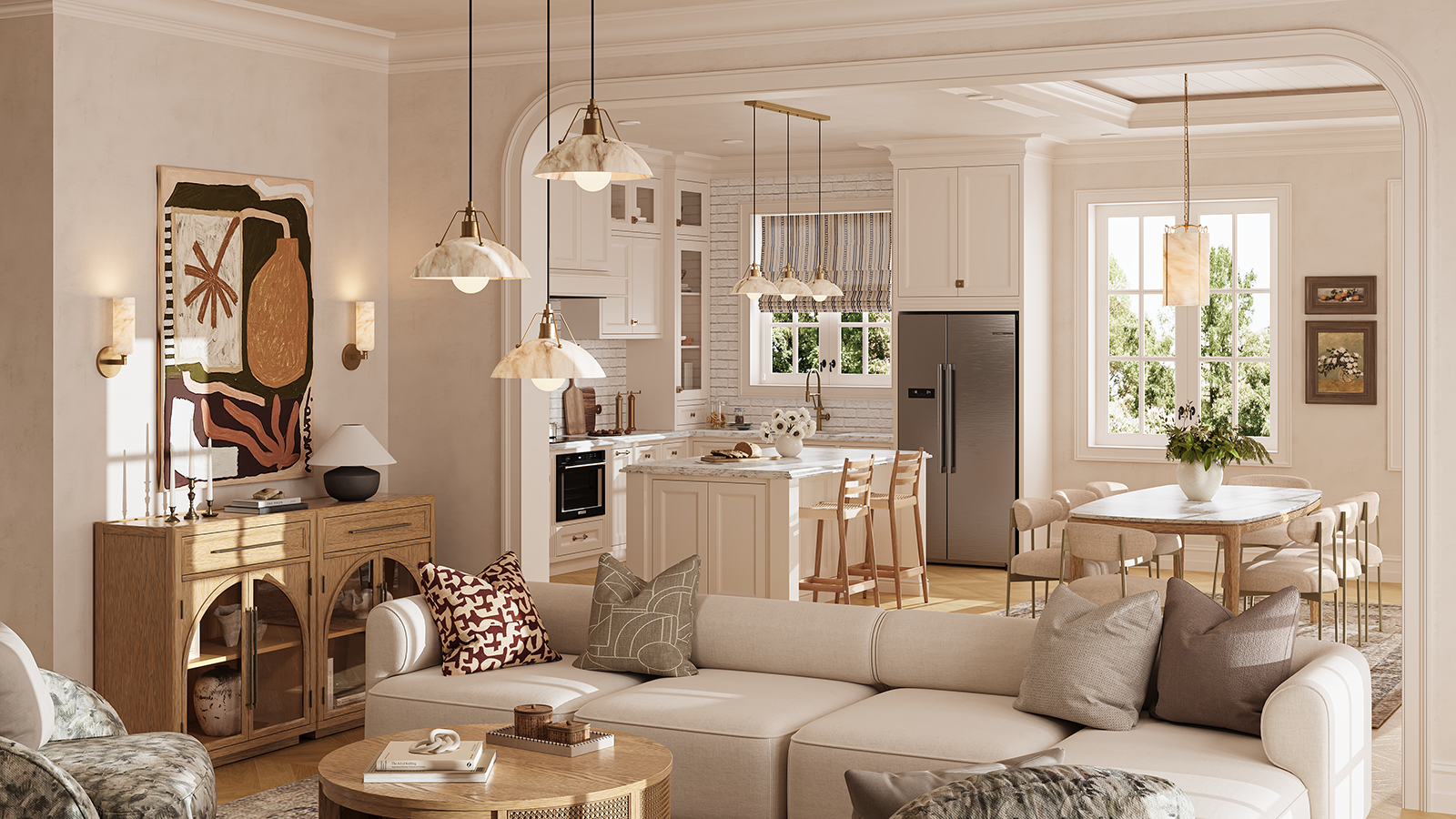
The Case for HOULTE Resin Lighting in Real Homes
Why does HOULTE resin lighting work so well in real homes? Explore its stone-inspired character, practical care, flexible forms, room-by-room applications, and the details to verify before choosing a fixture.
Read moreabout The Case for HOULTE Resin Lighting in Real Homes
Share:
what is a nightstand?A Comprehensive Guide
How Much Does a Sofa Weigh? Comprehensive Guide for 2026