


Your cart is currently empty.
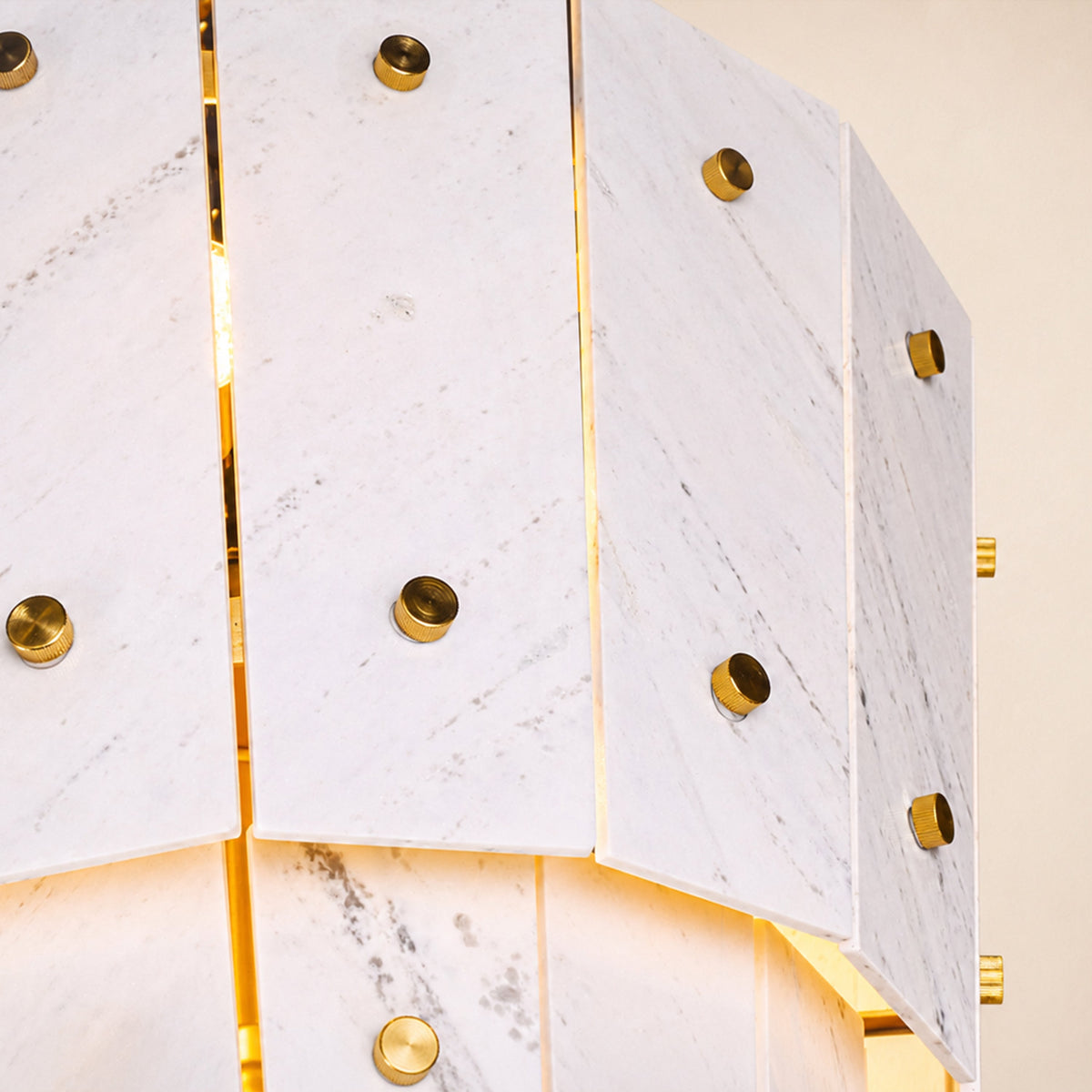
Marble lighting brings together two qualities that modern interiors often need at the same time: architectural presence and natural warmth. The stone itself becomes part of the design, allowing a chandelier or pendant to feel sculptural even before the light is turned on.
Unlike lighting made only from metal or clear glass, marble fixtures introduce visible texture, veining, and tonal variation. Those details make each piece feel more connected to the materials already used throughout the home, from stone dining tables and wood cabinetry to linen upholstery and soft neutral walls.
For homeowners looking for luxury lighting that does not feel overly decorative, marble lighting offers a quieter approach. It can still create a statement, but the impact comes from material, scale, and light rather than excessive ornament.
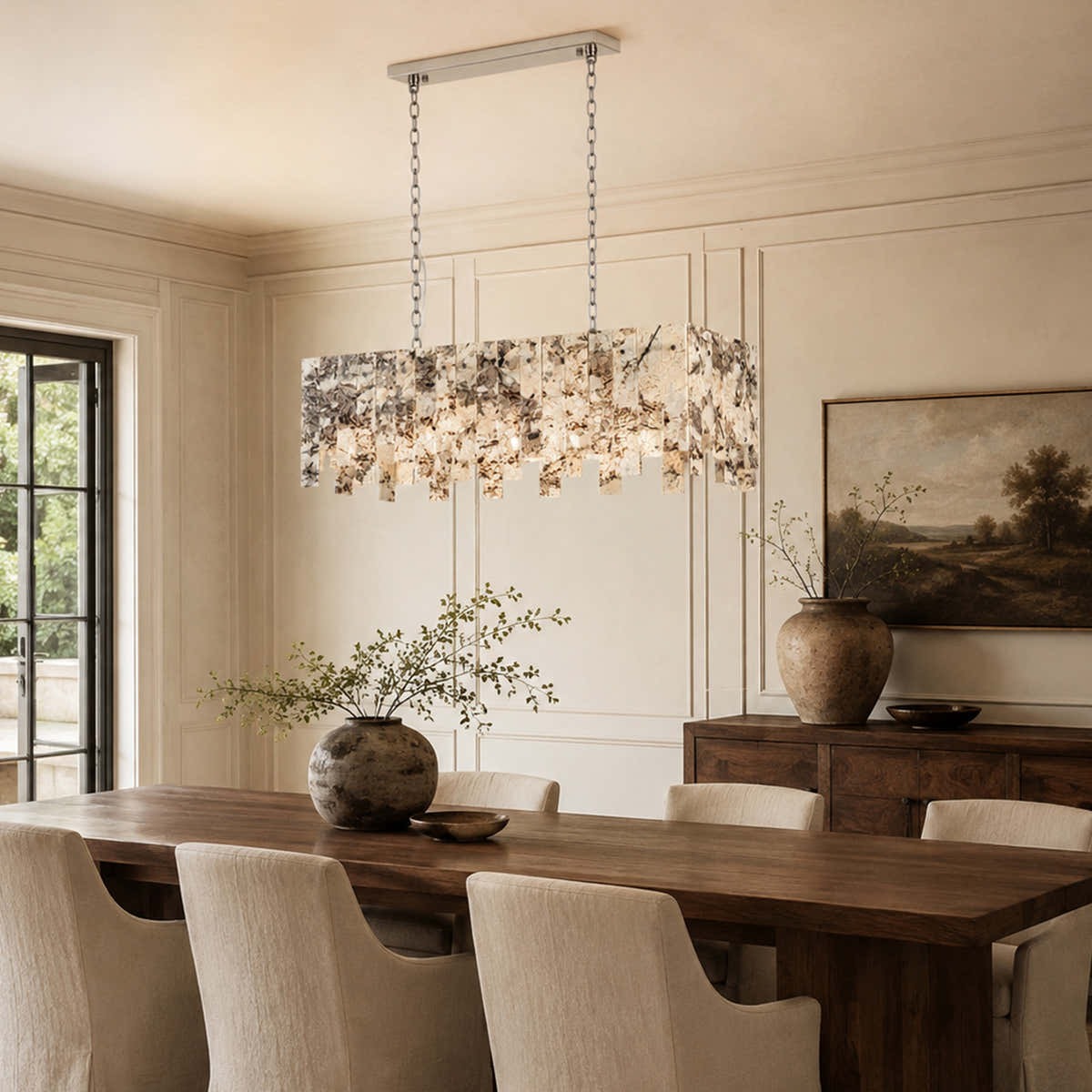
One of the strongest reasons marble lighting works so well in modern homes is that it creates visual interest without depending on bold color. Instead, the stone contributes through texture and natural pattern.
Marble surfaces can show flowing veins, soft cloudy movement, stronger contrasting lines, or more subtle tonal variation. That means two fixtures with a similar silhouette can still create very different moods depending on the stone pattern.
In a minimalist room, marble lighting can become the material detail that prevents the space from feeling flat. In a more layered interior, it can connect naturally with wood, upholstery, stone furniture, metal finishes, and architectural surfaces.
This is especially useful in contemporary interiors where the furniture itself may be relatively simple. A marble chandelier can introduce a sense of craftsmanship and depth without making the overall design feel crowded.
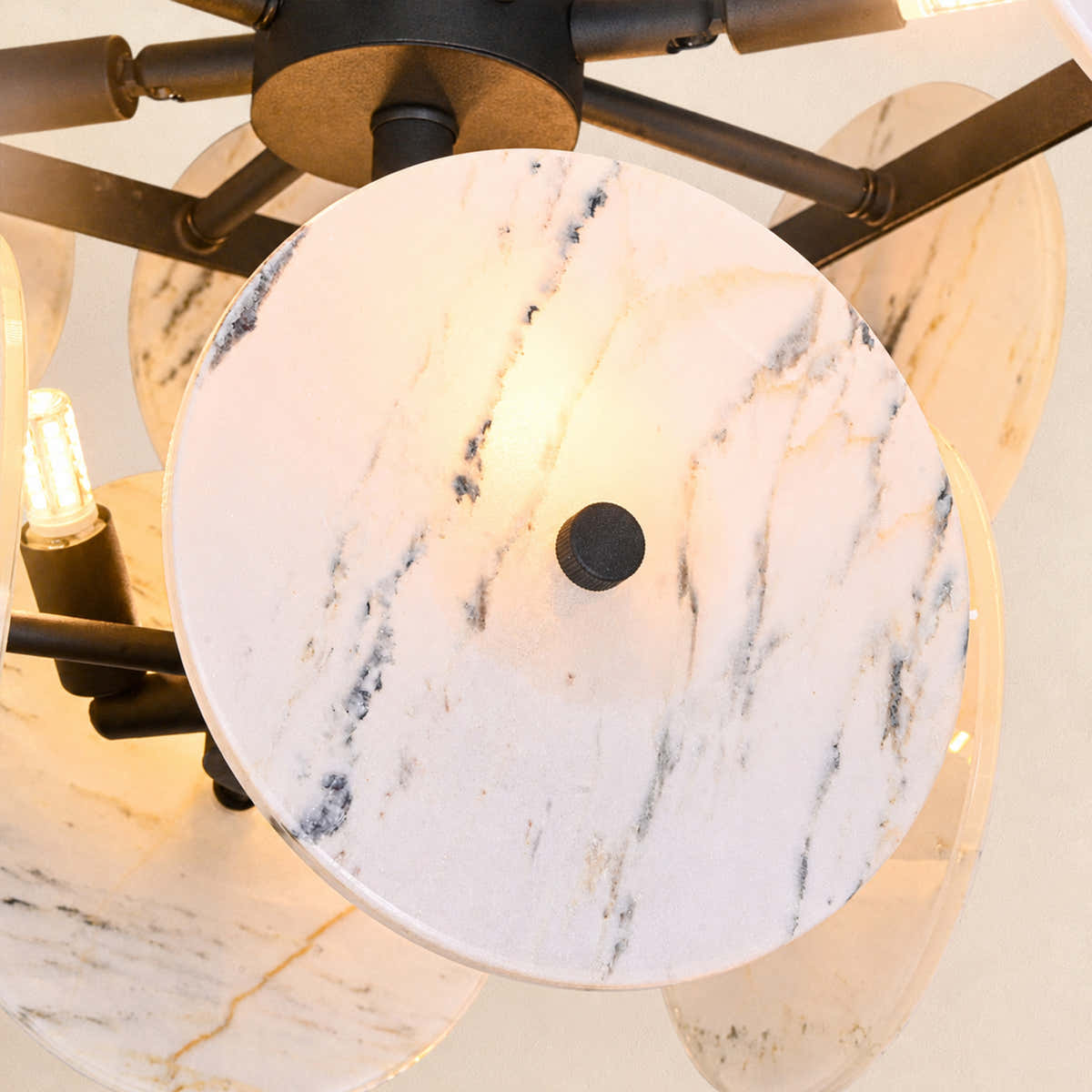
Traditional ideas of luxury lighting often focus on highly reflective surfaces, ornate detailing, or dramatic crystal arrangements. Marble lighting creates a different kind of luxury.
The effect is quieter. Instead of adding more decorative elements, the fixture relies on natural stone, proportion, and a carefully considered silhouette. This makes marble chandeliers especially compatible with modern luxury interiors, organic contemporary homes, and spaces influenced by quiet luxury.
A room can remain simple while still feeling elevated. A large marble chandelier over a dining table, for example, may be the only strong decorative element needed if the surrounding furniture is restrained.
The same principle applies to entryways and living rooms. Instead of filling the room with multiple decorative objects, one well-scaled stone fixture can give the space a clear visual identity.
Marble lighting is versatile, but the way it is used should respond to the room. Scale, ceiling height, furniture placement, and the amount of visual activity already present in the space all matter.

The dining room is one of the easiest places to make marble lighting feel intentional because the table naturally creates a central axis for the fixture.
A chandelier above the dining table does more than provide illumination. It visually connects the ceiling to the furniture below and helps define the area as a place for meals, conversation, and entertaining.
Marble adds another layer to that relationship. If the dining room already includes stone, wood, upholstered dining chairs, or neutral fabrics, a marble chandelier can help those materials feel more connected.
For a more contemporary result, keep the tabletop styling restrained. A low vase, simple centerpiece, or a small arrangement is often enough. Allow the lighting itself to carry more of the visual weight.
Material is only one part of the decision. The shape of a marble fixture can completely change how it interacts with the room.
The most important factor is proportion. A fixture should feel connected to the furniture and architecture around it. Choosing a chandelier that is too small can make a large room feel unfinished, while an oversized fixture in a compact space can overpower everything around it.
Linear fixtures have become increasingly useful in contemporary homes because modern layouts often feature long dining tables, kitchen islands, and open-concept spaces.
A linear marble chandelier follows those horizontal proportions instead of creating a single central point of light. This can make the room feel more architectural and intentional.
The stone material helps soften that structure. While the overall silhouette may feel clean and geometric, the natural variation in the marble prevents the fixture from appearing too rigid.
This contrast between clean form and organic pattern is one reason marble lighting works particularly well in modern interiors.
Marble lighting becomes easier to style when it is treated as part of the room's material palette rather than as an isolated decorative object.

One of the most interesting qualities of the Pietra lighting series is that the material language remains consistent while the stone pattern changes from design to design.
Softer veining can create a quieter and more relaxed effect. Stronger contrast can make the fixture feel more graphic and statement-making. Green-toned stone can bring a richer natural character, while lighter marble patterns often feel airy and architectural.
This makes marble lighting especially flexible. Homeowners can choose the pattern based not only on the fixture shape, but also on the mood they want to create in the room.
The result is lighting that feels less standardized and more closely connected to the materials used throughout the home.
Yes. Marble lighting works particularly well in modern interiors because natural stone adds texture and warmth while still feeling architectural and refined.
Marble chandeliers work well in dining rooms, living rooms, entryways, foyers, and other spaces where lighting can act as a focal point.
Round fixtures often work naturally above round tables or centered dining layouts, while linear chandeliers are better suited to long rectangular tables and kitchen islands.
Marble lighting pairs especially well with warm wood furniture, stone tables, neutral upholstery, brass accents, black metal, and simple modern silhouettes.
Different marble styles can feature different veining, tonal variation, and pattern intensity. These differences help determine whether the fixture feels soft, dramatic, warm, or architectural.
The most compelling luxury interiors are not necessarily the ones with the most decoration. They are often the spaces where materials, proportions, and light work together naturally.
Marble chandeliers and pendants bring texture, soft illumination, and sculptural presence into the home, making them a strong choice for interiors that aim to feel both modern and timeless.
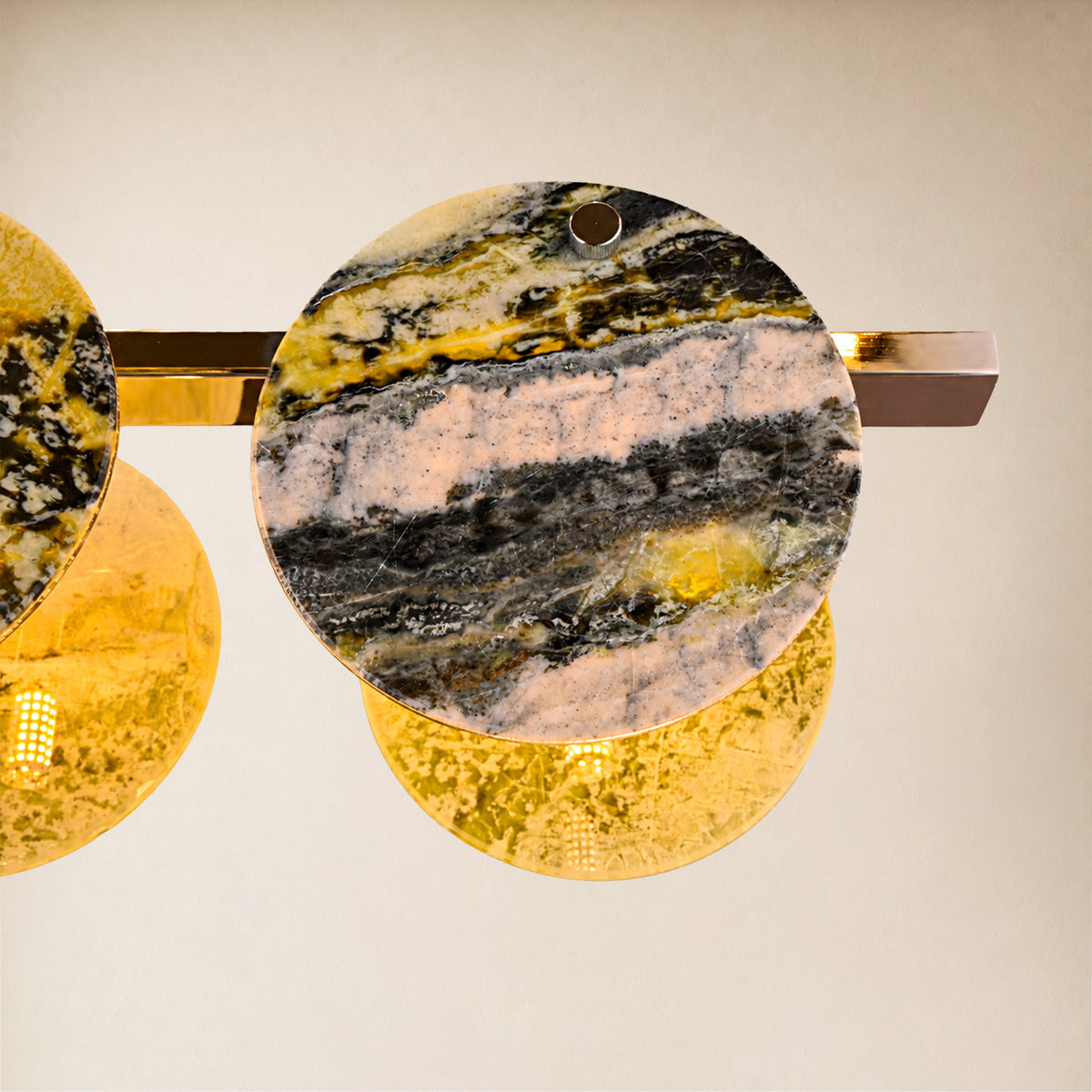
How to Choose a Linear Marble Chandelier for a Kitchen Island or Dining Table
Learn how to choose a linear marble chandelier for a kitchen island or dining table, including sizing, hanging height, stone color, open-concept styling, and modern lighting ideas.
Read moreabout How to Choose a Linear Marble Chandelier for a Kitchen Island or Dining Table
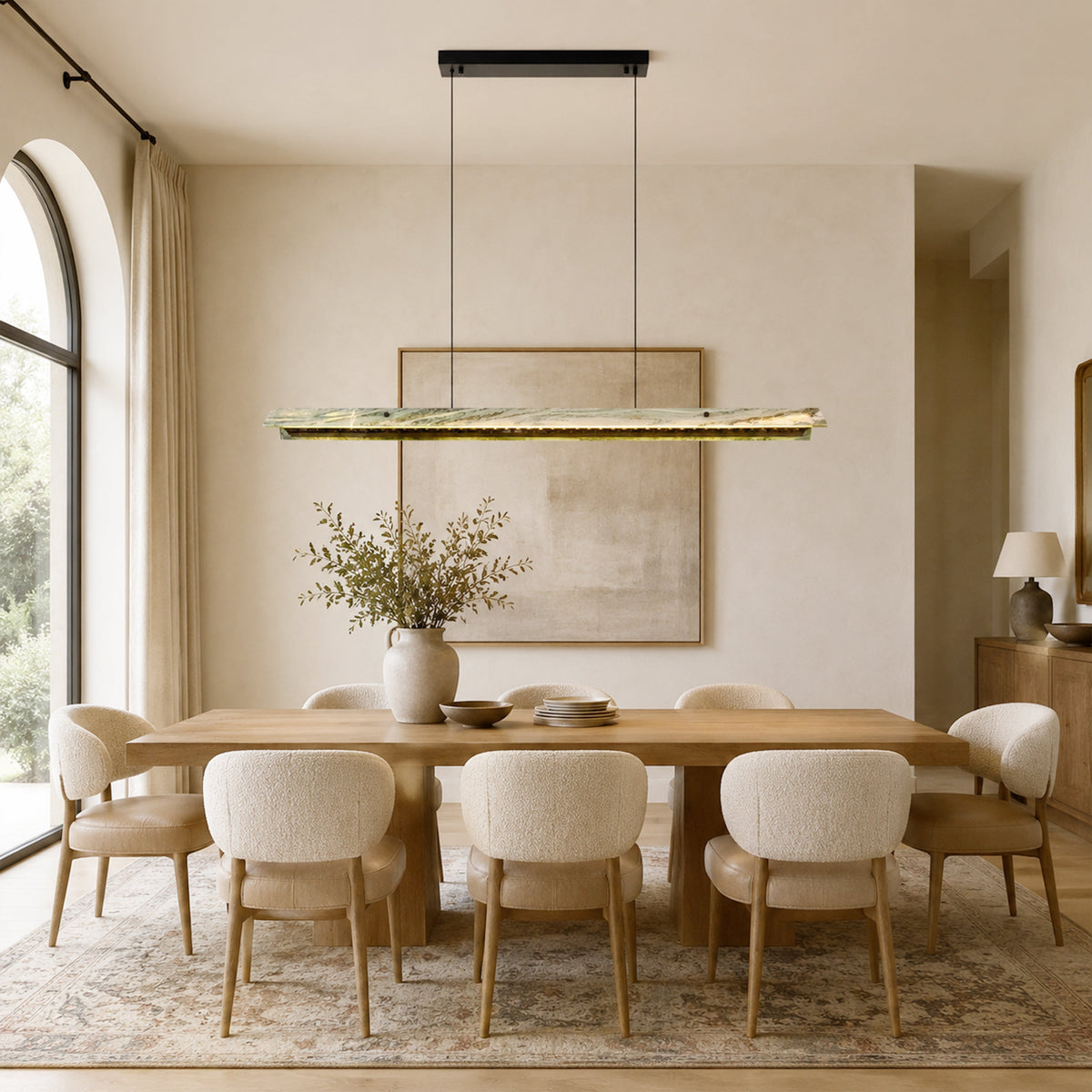
How to Choose a Marble Chandelier for Your Dining Room
Learn how to choose the right marble chandelier for your dining room, including round vs. linear designs, scale, ceiling height, stone pattern, and styling ideas for modern interiors.
Read moreabout How to Choose a Marble Chandelier for Your Dining Room
How Marble Lighting Brings Natural Luxury Into Modern Homes
Discover how marble lighting brings natural texture, warm illumination, and timeless luxury into modern homes, with styling ideas for dining rooms, living spaces, bedrooms, and entryways.
Read moreabout How Marble Lighting Brings Natural Luxury Into Modern Homes
Share:
Resin vs. Alabaster Lighting: Which Material Is Right for your Home?
How to Choose a Marble Chandelier for Your Dining Room